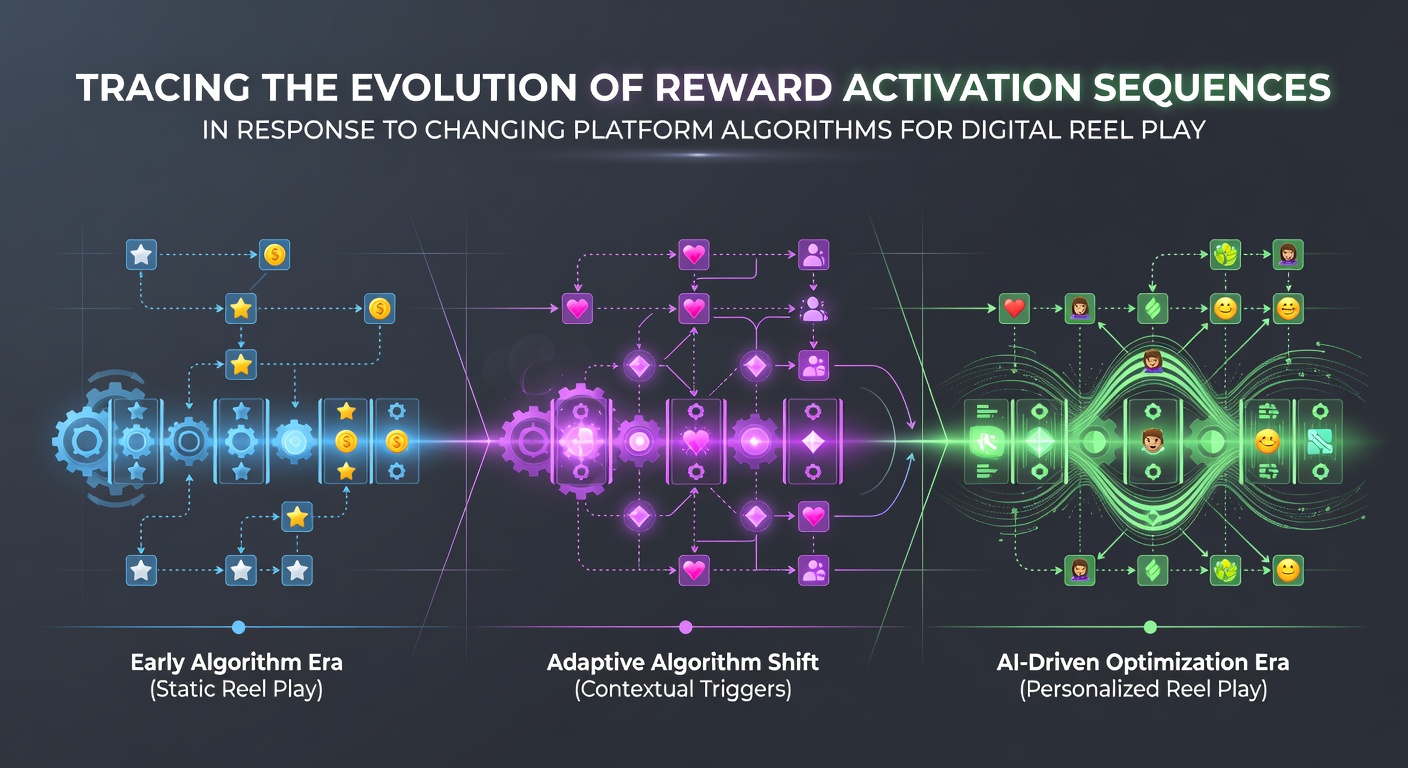
Algorithmic Shifts Reshaping Reward Triggers in Virtual Reel Systems
Platform algorithms governing digital reel play have undergone multiple transformations since the widespread adoption of online gaming systems in the late 1990s, and these adjustments directly influence how reward activation sequences unfold during sessions. Early implementations relied on fixed probability tables that delivered consistent trigger patterns across spins, yet operators began integrating basic adaptive elements by the mid-2000s to respond to player volume data and session length metrics.
Foundational Changes in Sequence Design
Initial reward structures emphasized predictable activation points where specific symbol combinations unlocked bonuses or multipliers at set intervals, and data from industry monitoring showed these patterns helped maintain steady engagement rates across large player bases. By 2010, several platforms introduced rudimentary machine learning components that adjusted sequence timing based on aggregate play data collected in real time, which allowed sequences to stretch or compress depending on overall platform traffic rather than individual behavior alone.
Researchers at institutions such as the University of Nevada documented how these early adaptive layers reduced the frequency of clustered activations during peak hours while increasing them during off-peak periods, and Nevada Gaming Control Board reports from that era tracked corresponding shifts in reported session durations across licensed operators. The approach marked a departure from static models because it tied reward delivery more closely to external variables like server load and concurrent user counts.
Expansion of Dynamic Parameters
Further refinements arrived between 2015 and 2020 when platforms incorporated multi-variable algorithms capable of monitoring symbol distribution across thousands of concurrent sessions simultaneously. These systems began modulating activation sequences by factoring in global metrics such as average bet sizes and feature completion rates, which produced more varied trigger timing compared with earlier fixed schedules. One study released by academic teams in Australia highlighted measurable differences in sequence spacing when platforms updated their core engines to include time-of-day weighting, and the resulting data indicated smoother distribution of high-value activations across 24-hour cycles.
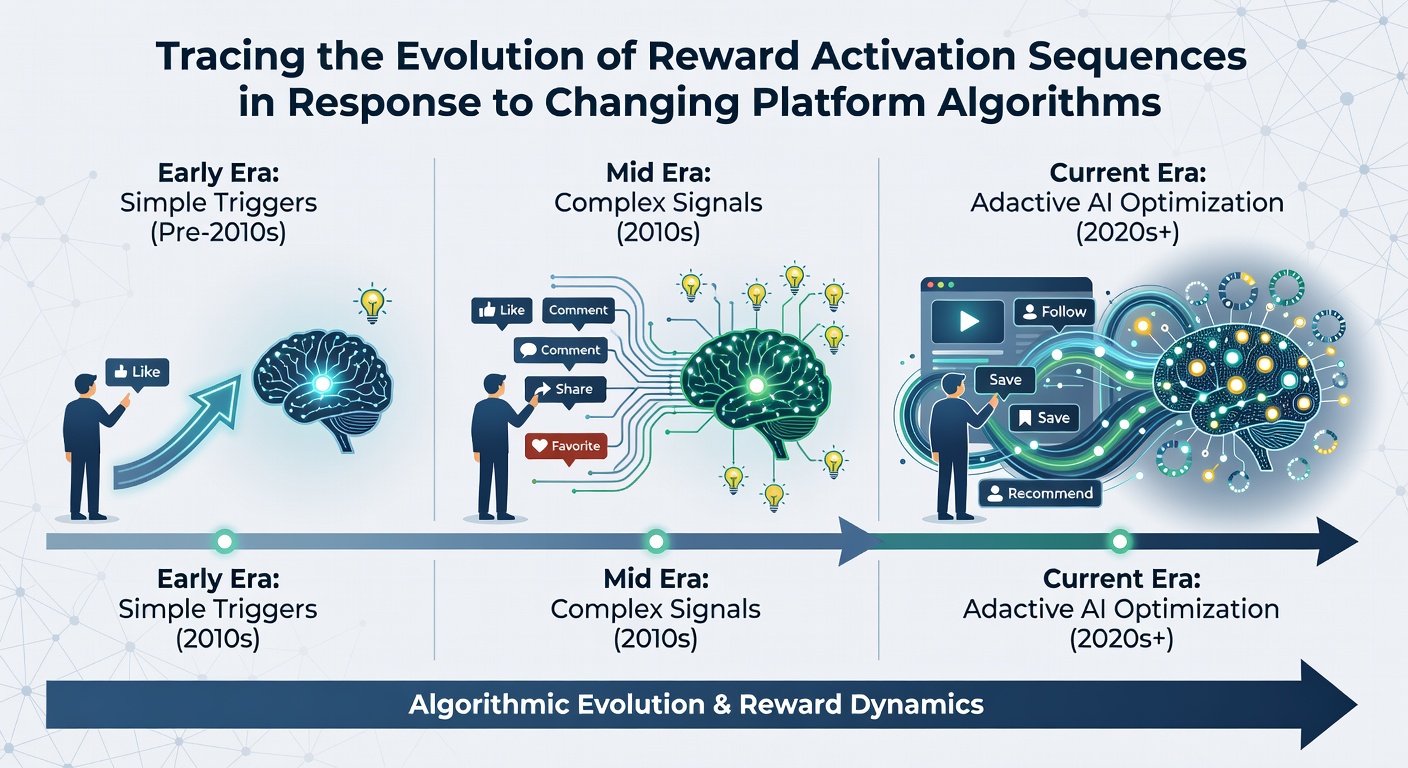
Operators in multiple jurisdictions reported that these layered parameters required continuous calibration to prevent unintended clustering, and updates often occurred quarterly to align with new hardware capabilities and data processing speeds. The reality is that sequence evolution during this period reflected broader industry moves toward real-time analytics rather than isolated design choices.
Recent Developments Through June 2026
Into 2026, several major platforms rolled out revised algorithmic frameworks that further refined reward activation sequences by integrating predictive modeling based on historical session graphs. These models now account for cross-session patterns spanning multiple days, which allows sequences to adapt not only within a single play period but across repeated visits. Figures released by regulatory bodies in Canada during spring 2026 showed incremental adjustments in activation frequency following such updates, with particular emphasis on balancing feature triggers during extended play windows.
What's notable is how these changes coincide with increased processing power on both server and client sides, enabling finer granularity in sequence control without noticeable latency. Observers note that platforms testing these systems in June 2026 have recorded shifts in average sequence length, moving from rigid intervals toward fluid spacing that responds to cumulative platform activity levels. The approach builds directly on prior generations of adaptive logic while adding layers that consider regional usage peaks across different time zones.
Technical Mechanisms Behind Sequence Adaptation
Modern implementations rely on feedback loops that sample reel outcome distributions every few minutes and recalibrate activation probabilities accordingly. This process incorporates inputs from multiple data streams including symbol hit rates, bonus round completion percentages, and player retention signals aggregated at the platform level. Technical documentation from industry suppliers indicates that such loops operate with update cycles measured in seconds during high-traffic periods, which produces the observed variation in reward timing.
Those who've examined the underlying code structures point out that sequence modulation often occurs through weighted random number generators whose parameters shift according to pre-set thresholds. The thresholds themselves undergo periodic revision based on performance audits conducted by independent testing labs, and these audits ensure compliance with jurisdictional standards that differ across North America, Europe, and Asia-Pacific markets.
Conclusion
Tracing these developments reveals a consistent pattern of increasing responsiveness in reward activation sequences to algorithmic refinements. Each stage built upon measurable data trends rather than arbitrary redesigns, and the cumulative effect appears in the varied spacing and clustering behaviors observed across contemporary platforms. Continued monitoring by regulatory agencies and research groups will likely document further iterations as processing capabilities advance and data collection methods expand.