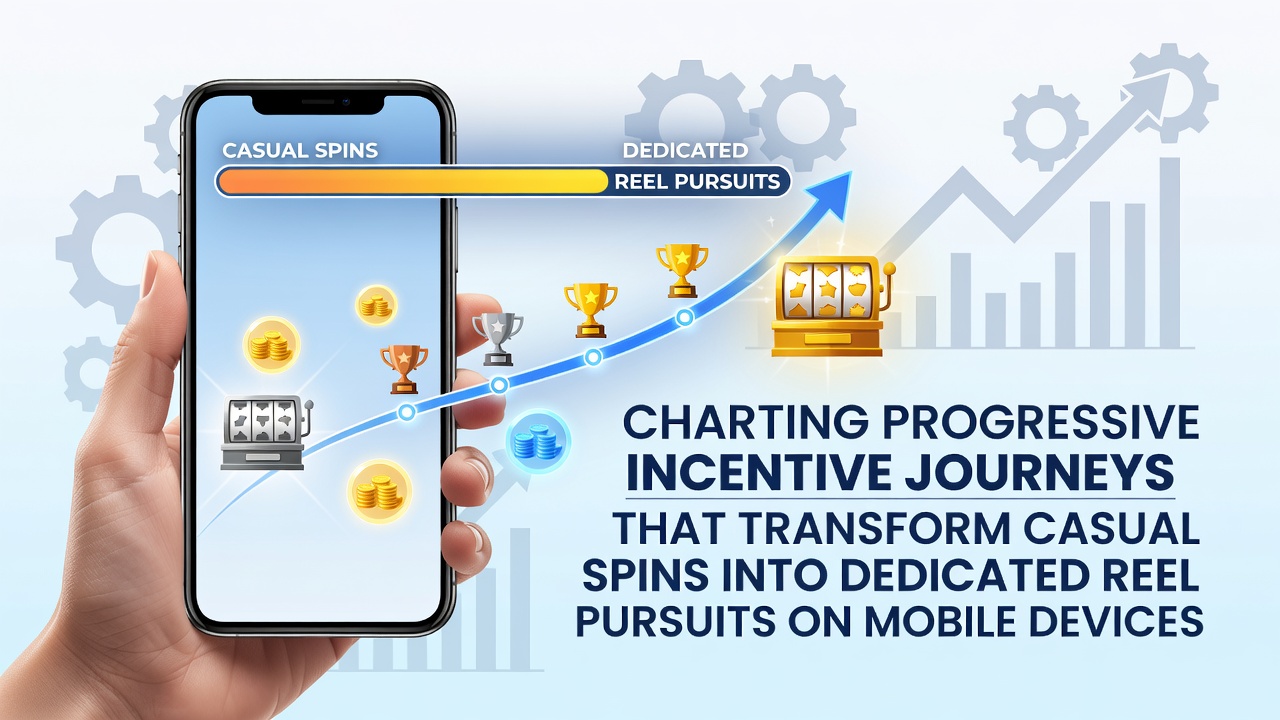
Charting Progressive Incentive Journeys That Transform Casual Spins into Dedicated Reel Pursuits on Mobile Devices
Progressive incentive structures on mobile devices have evolved into detailed pathways that guide users through escalating stages of engagement, beginning with entry-level free spins and advancing toward sustained reel sessions backed by layered rewards. These systems operate through sequenced milestones where initial casual interactions unlock cumulative benefits, including boosted multipliers, exclusive challenges, and personalized reel modifications that appear directly on handheld screens.
Core Mechanics Behind Mobile Reward Progression
Data from industry analyses indicate that mobile slot applications employ tiered tracking algorithms which monitor spin frequency, session duration, and wager patterns to activate subsequent incentive levels automatically. Researchers at the International Center for Gaming Regulation have documented how these pathways integrate daily login streaks with cumulative point systems, converting sporadic taps into consistent participation across multiple weeks. One study released in early 2026 highlighted that players completing the first three progression stages showed increased return rates by measurable margins compared to those who remained at entry tiers.
Mechanics often include visual progress bars that fill with each completed spin or task, revealing new bonus wheels or enhanced wild symbols as thresholds are met. These features function seamlessly within native apps, allowing seamless transitions between casual play and deeper commitment without requiring device switches or desktop access. Observers note that the integration of push notifications timed to reward availability further reinforces continuity, prompting returns at optimal intervals based on prior activity logs.
Regional Data Patterns Emerging in Mid-2026
Figures compiled through June 2026 from regulatory filings across North America and Asia-Pacific markets reveal steady growth in mobile-specific incentive adoption. Reports from the Victorian Commission for Gambling and Liquor Regulation in Australia detail how operators have refined journey maps to align with local device usage trends, emphasizing shorter sessions that accumulate toward larger milestone payouts. Similar patterns appear in data shared by the Nevada Gaming Control Board, where mobile platforms registered higher completion rates for multi-week challenges than land-based equivalents during the same period.
Case examples include applications that layer referral-based spin packs onto personal progression ladders, creating compound effects where inviting contacts accelerates individual reward unlocks. Such designs maintain compliance with jurisdictional rules while extending play cycles through interconnected social and personal incentives. Those who've examined user retention metrics across these regions point to consistent correlations between structured journeys and extended time spent on reels.
Implementation Across Popular Mobile Platforms
Developers deploy these incentive frameworks via backend systems that adapt in real time to device inputs, adjusting reward density according to battery status, screen orientation, and connectivity strength. Mobile users encounter these adaptations as natural extensions of gameplay rather than separate menus, with progress carrying forward across sessions interrupted by daily routines. Evidence from platform analytics indicates that quests requiring sequential spins over several days produce stronger retention signals than single-session promotions alone.
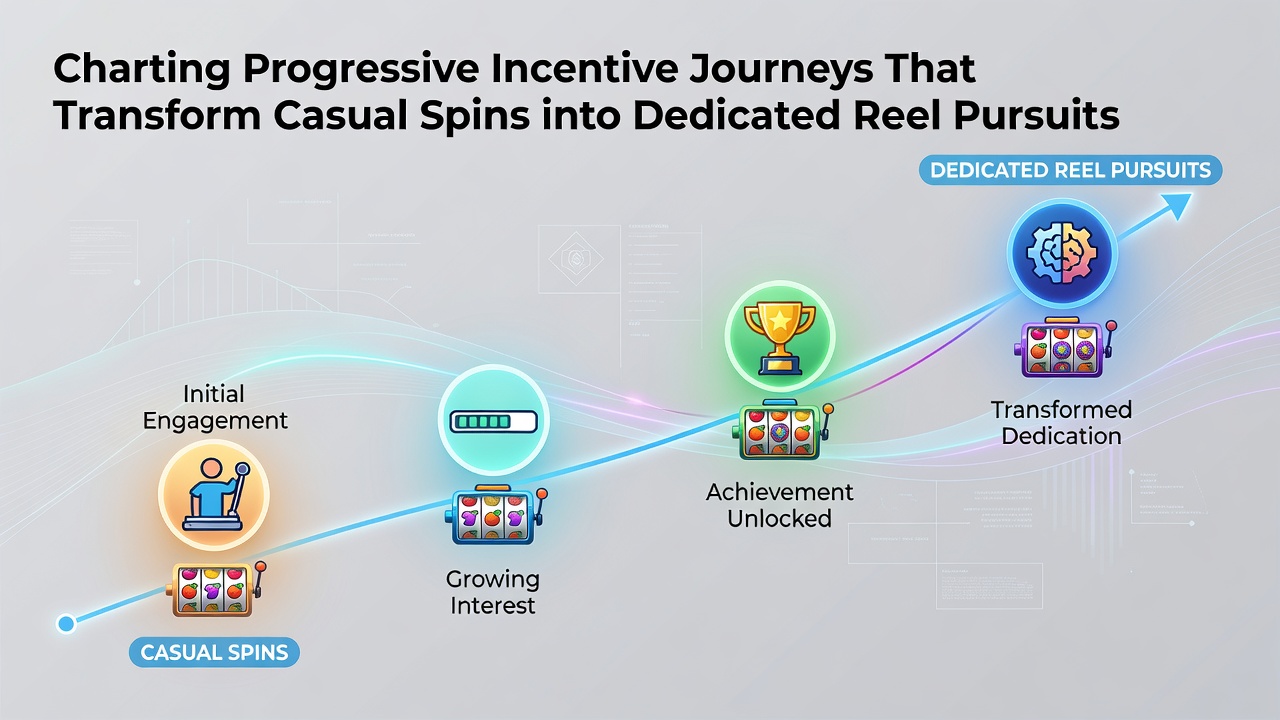
Additional layers incorporate time-sensitive elements such as weekend escalation phases or event-linked multipliers that reset weekly, encouraging habitual checks without overwhelming the interface. Industry reports emphasize that successful implementations balance visibility of upcoming rewards with sufficient mystery to maintain engagement momentum. Players advancing through these mapped journeys frequently encounter customized reel themes tied to their progression level, adding visual differentiation that sustains interest over repeated visits.
Measurement of Engagement Shifts
Analytics platforms used by operators track conversion points where casual users transition into dedicated participants, often marked by the activation of premium incentive tiers. Academic papers in the Journal of Gambling Studies have examined these shifts through anonymized datasets, noting that mobile-optimized journeys correlate with higher session counts per user over three-month windows. The patterns hold across varied demographics, though completion speeds differ based on initial entry points such as no-deposit offers versus first-purchase bundles.
Operators refine these pathways continuously using aggregated behavior signals collected through June 2026, testing variations in milestone spacing and reward types to optimize flow. This iterative process relies on A/B testing frameworks that compare retention curves before and after adjustments, ensuring the incentive structures remain responsive to actual usage data rather than fixed assumptions.
Conclusion
Progressive incentive journeys on mobile devices function as structured sequences that build from initial spins into sustained reel engagement through automated tracking, visual milestones, and adaptive rewards. Available evidence from regulatory bodies and research institutions demonstrates measurable impacts on participation patterns across multiple regions. As platforms continue integrating these systems, the documented mechanics provide clear frameworks for understanding how casual interactions evolve into committed play routines on handheld screens.