Charting Reward Architecture in Innovative Reel Production Facilities
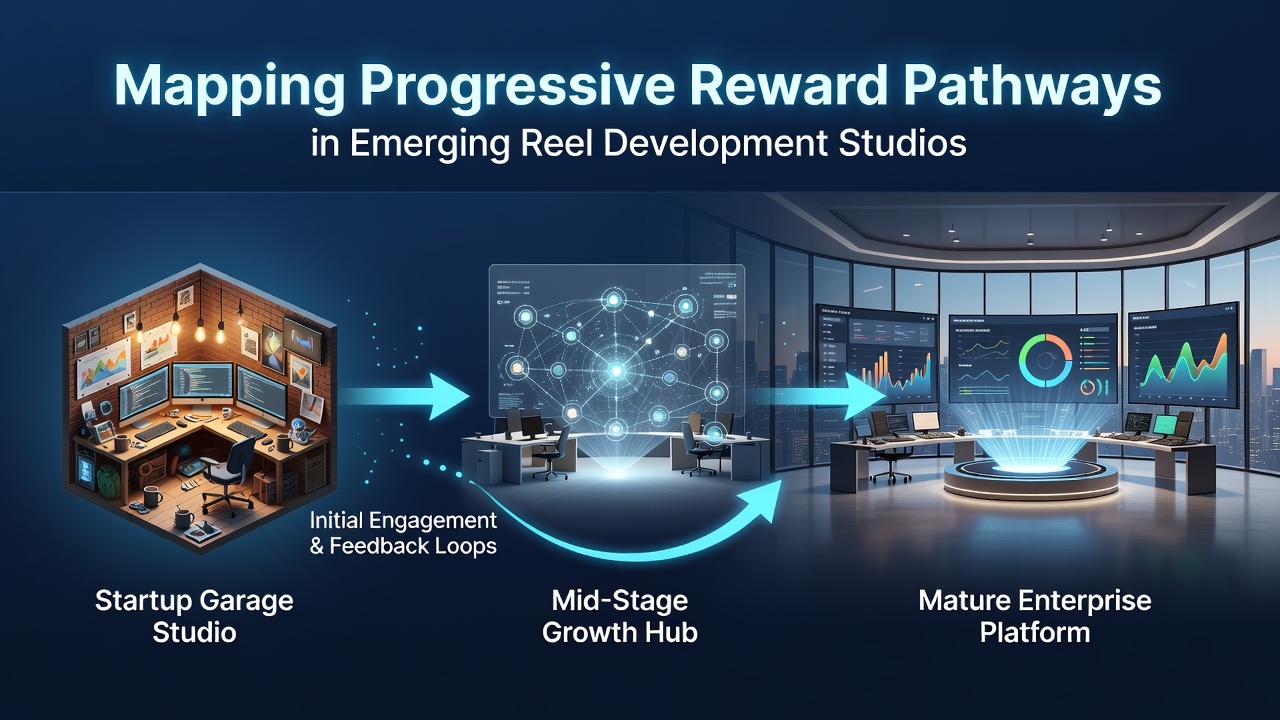
Experts in game design observe that emerging reel development studios rely on systematic mapping techniques to build progressive reward pathways, which guide player progression through sequential incentive layers. These maps outline how base mechanics connect to escalating bonuses, creating structured engagement loops that studios refine through iterative testing cycles. Research from the International Center for Gaming Regulation indicates that studios document each pathway using visual flowcharts and data trees to track reward triggers, multipliers, and unlock conditions across multiple game versions. Studios typically begin the mapping process by identifying core reel symbols and their associated payout values, then layer on conditional events such as scatter activations or wild substitutions. Data shows these initial layers expand into secondary pathways where players accumulate points toward feature entries, with each step calibrated to maintain consistent return-to-player ratios. Observers note that teams cross-reference player behavior logs against these maps to adjust progression speeds, ensuring pathways align with session duration patterns observed in testing environments.Core Components of Reward Mapping Processes
Analysts describe several standard components that appear across most mapping frameworks in new studios. Primary elements include entry thresholds, which determine when a player accesses the first reward tier, followed by accumulation metrics that measure progress toward advanced stages. Studios integrate these with visual indicators on the interface, allowing real-time feedback that reinforces pathway navigation.
Further layers incorporate branching options, where player choices influence reward outcomes, such as selecting between volatility levels or feature variants. Figures from the American Gaming Association reveal that branching structures appear in over 60 percent of titles released by studios founded after 2023, reflecting a shift toward customizable progression models. Teams validate these branches through A/B testing protocols that compare completion rates and retention metrics across user cohorts.
Implementation Patterns Observed in June 2026 Releases
During June 2026 multiple emerging studios published technical breakdowns of their mapping methodologies alongside new title launches. These documents highlight how developers sequence daily login incentives with in-game milestone rewards to form continuous pathways that span both short sessions and extended play periods. Integration of referral mechanics into the maps allows studios to extend pathways beyond individual accounts, linking new users directly into existing progression trees.
One documented approach involves chaining sequential bonuses where completion of one feature automatically feeds progress into the next, reducing downtime between reward events. Researchers at the University of Las Vegas Gaming Innovation Lab found that such chaining correlates with measurable increases in average session lengths when implemented with precise timing parameters. Studios refine these connections by overlaying heat maps of player drop-off points onto the pathway diagrams, then repositioning reward gates accordingly.
Analytical Tools Supporting Pathway Visualization
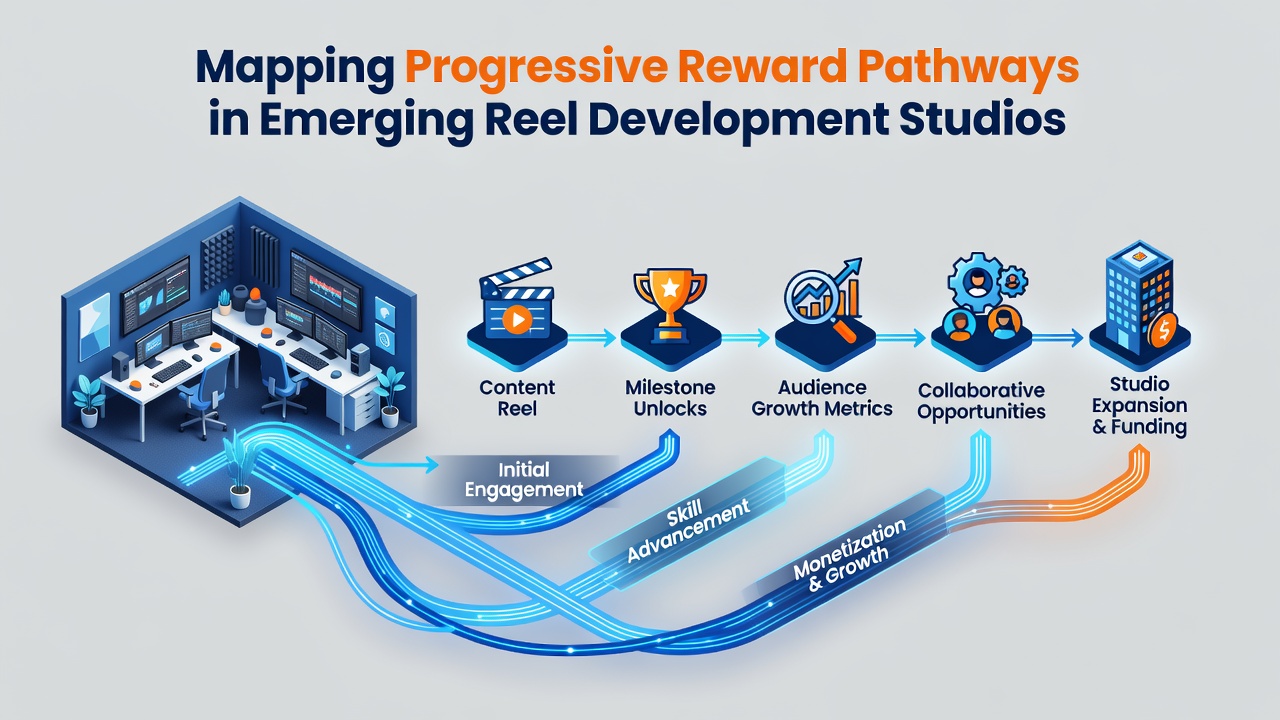
Development teams employ specialized software platforms that convert raw telemetry into interactive pathway models. These tools generate node graphs where each node represents a reward state and edges illustrate transition probabilities based on historical play data. According to reports from the Canadian Gaming Association, adoption of such visualization software has risen steadily among smaller studios seeking to compete with established developers on engagement metrics.
Additional modules within these platforms simulate hypothetical player journeys across mapped pathways, projecting outcomes under varied parameter adjustments. This simulation capacity enables rapid iteration without requiring full production builds for every proposed change. Teams cross-check simulation outputs against live environment data collected during controlled beta releases to confirm accuracy of the underlying models.
Cross-Studio Collaboration on Standardized Mapping Frameworks
Industry observers report growing interest in shared mapping standards that allow different studios to exchange pathway templates while preserving proprietary elements. Working groups facilitated by the European Gaming and Betting Association have drafted preliminary guidelines for common data formats that describe reward triggers and progression logic. Adoption remains voluntary, yet several emerging facilities have incorporated these formats into their documentation processes to streamline partnerships with platform providers.
Standardization efforts focus on defining consistent terminology for elements such as tier gates, multiplier escalators, and reset conditions. This shared language reduces miscommunication during joint development projects and supports more accurate benchmarking of reward pathway performance across titles from multiple sources. Data collected under these frameworks contributes to broader industry datasets used for comparative analysis.
Conclusion
Mapping progressive reward pathways continues to evolve as a central practice within emerging reel development studios, supported by advancing analytical tools and collaborative standardization initiatives. The structured approaches documented through mid-2026 demonstrate how studios translate complex incentive designs into navigable systems that align technical implementation with observed engagement patterns. Ongoing refinement of these maps reflects the sector's emphasis on data-driven iteration across all stages of reel production.