Charting Reward Tier Development Linking Startup Incentives to Sustained Mobile Play Patterns
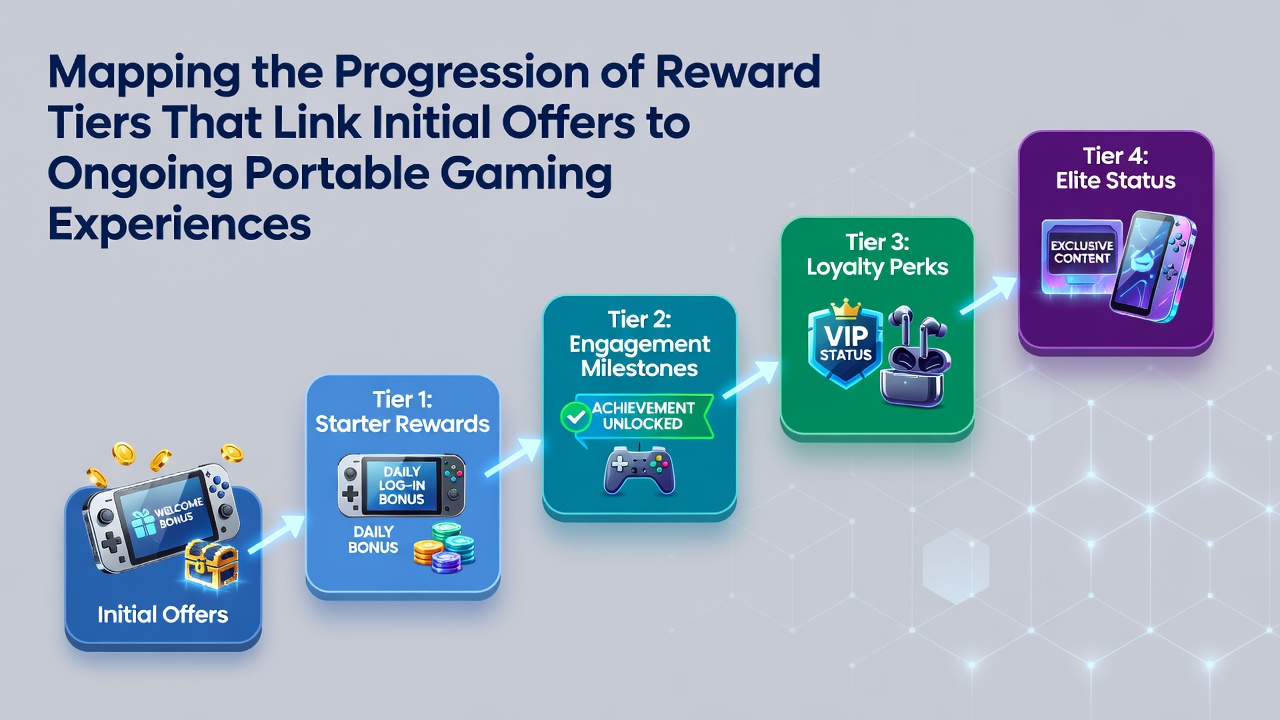
Industry analysts track how entry-level incentives in portable gaming platforms evolve into structured reward tiers that maintain player engagement across extended periods, and data from multiple markets shows this progression follows consistent patterns tied to user activity metrics. Initial offers typically include deposit matches or free spin allocations that introduce new users to core mechanics, while subsequent tiers unlock through cumulative playtime, deposit frequency, and achievement milestones that platforms measure automatically through app analytics.
Initial Incentive Frameworks in Portable Environments
Platforms structure first-tier rewards around straightforward onboarding sequences where users receive immediate access to bonus funds or spins upon registration and verification, yet these entry points connect directly to tracking systems that log session duration and bet volumes for later tier advancement. Research from the American Gaming Association indicates mobile segments account for growing shares of overall engagement because devices enable seamless transitions between short sessions and longer play blocks, which in turn feed data into progression algorithms.
Users advance when they meet predefined thresholds such as total wagered amounts or consecutive login streaks, and these criteria shift from generic welcome packages into personalized sequences based on observed behavior patterns. The transition occurs without manual intervention since backend systems monitor activity in real time and apply tier upgrades automatically once conditions are satisfied.
Mechanics of Tier Advancement and Retention Loops
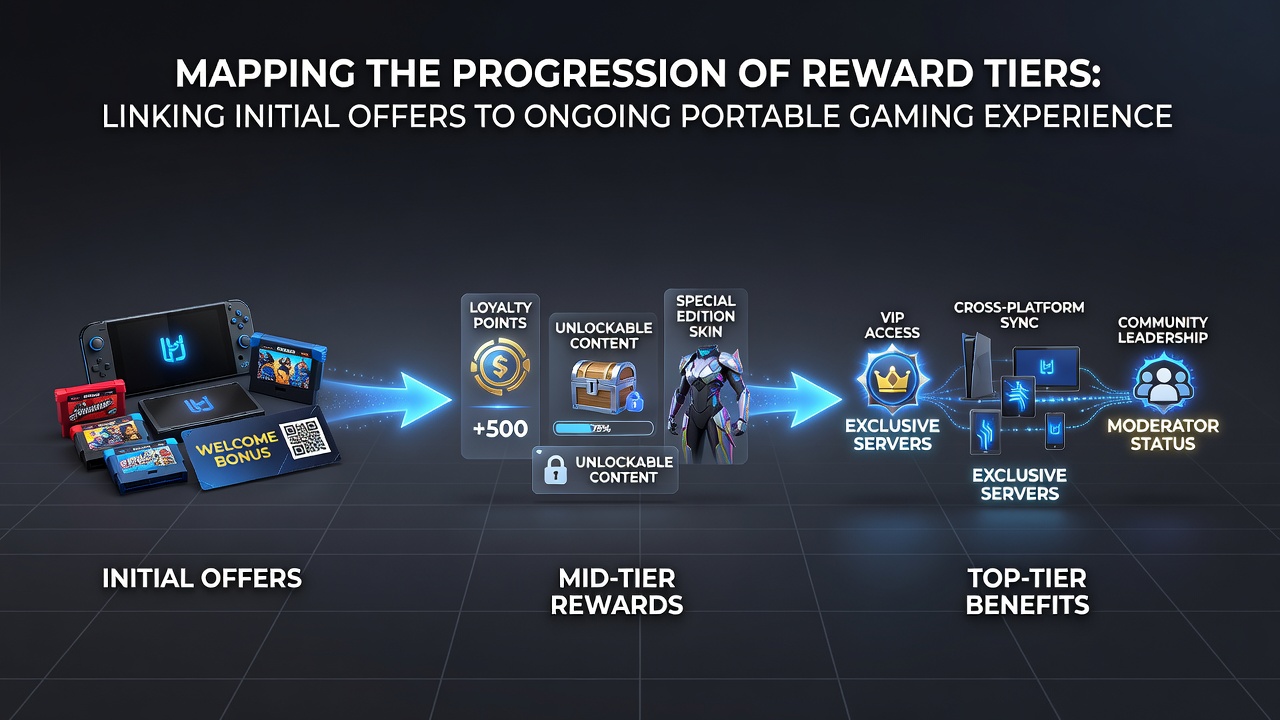
Second-tier rewards often introduce cashback percentages or enhanced spin multipliers that activate after initial offers expire, while third-tier elements add exclusive tournament entries or accelerated loyalty points that scale with continued mobile usage. Observers note that these layers create chained incentives because each completed tier raises the baseline for the next set of requirements, encouraging incremental increases in play frequency rather than isolated bursts. Studies from Canadian regulatory bodies highlight similar structures in provincial online markets where portable access correlates with higher retention rates compared to desktop-only models.
Progression maps typically follow a linear yet branching model where core paths lead through deposit-based unlocks and side branches reward specific game preferences detected through play history. In June 2026, several platforms updated their tier algorithms to incorporate session quality indicators alongside volume metrics, which refined how quickly users move between levels without altering the fundamental reward linkage.
Data Patterns Across Regional Markets
Figures from the European Gaming and Betting Association reveal that mobile reward progressions generate measurable uplifts in average session length once users reach mid-tier status, with portable formats showing stronger continuity because notifications and push features prompt returns between physical locations. Those patterns hold across different regulatory environments because the underlying data collection relies on device-level tracking rather than jurisdiction-specific rules.
Case examples include platforms that map reward tiers to daily login streaks combined with weekly deposit totals, resulting in graduated access to higher-value bonuses that sustain engagement beyond the first month. Researchers at academic institutions studying digital entertainment consumption have documented how these systems reduce churn by aligning reward timing with natural drop-off points identified in user cohorts.
Integration with Portable Device Capabilities
Mobile hardware features such as touch interfaces and background processing enable more granular tracking of micro-interactions that feed into tier calculations, and this technical foundation allows reward systems to respond faster than earlier desktop models. Players encounter seamless upgrades during active sessions because app notifications deliver tier status changes without requiring separate logins or account checks.
Platforms continue to refine these linkages by testing variations in tier thresholds across user segments, and results show that balanced progression speeds maintain participation rates while avoiding rapid exhaustion of incentive pools. The overall mapping process therefore depends on iterative adjustments derived from aggregated performance data collected across global user bases.
Conclusion
Mapping reward tier progression demonstrates how initial portable gaming offers establish entry points that connect through measurable activity thresholds to sustained engagement structures, with data indicating consistent advancement patterns across markets. These systems evolve through automated monitoring that links early incentives to later benefits without disrupting user flow, and ongoing refinements in June 2026 reflect continued adaptation to device capabilities and behavioral signals. The structure remains centered on factual progression mechanics that platforms apply uniformly once core conditions are met.