Charting Routes Through Multi-Level Incentives on Mobile Gaming Platforms
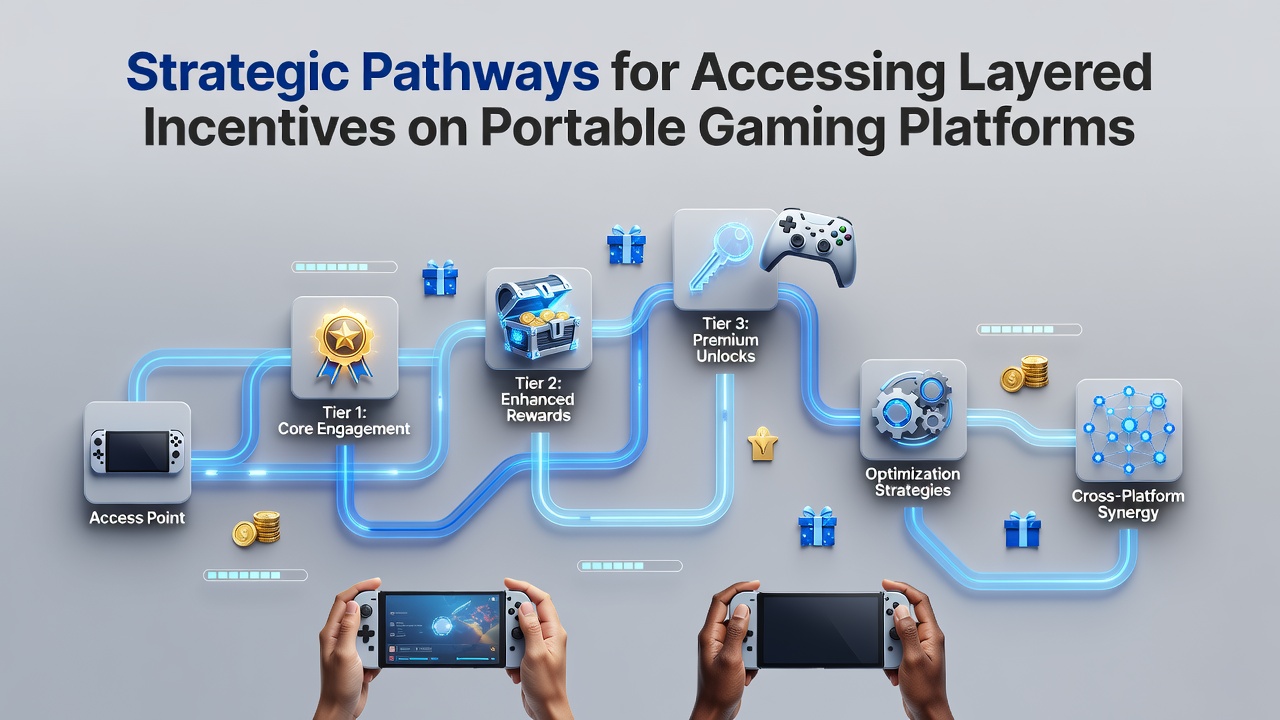
Portable gaming platforms have developed sophisticated multi-tier incentive systems that combine welcome packages, sequential free spin allocations, referral chains, and mission-based rewards into structured pathways users can follow to maximize engagement periods. These systems operate through dedicated mobile applications where account progression triggers successive benefit layers, each requiring specific actions such as initial deposits, daily logins, or social referrals to unlock the next stage.
Core Structures of Layered Mobile Incentives
Research from the European Gaming and Betting Association indicates that mobile applications now segment incentives into entry-level, intermediate, and advanced tiers, where completion of one level automatically qualifies users for escalated rewards in the subsequent tier. Data shows entry tiers typically deliver no-deposit free spins or small credit bundles, while intermediate stages incorporate reload percentages and time-limited multipliers that activate after a set number of spins or sessions. Advanced tiers often feature personalized quest objectives that convert routine gameplay into cumulative point systems redeemable for larger prize pools.
Those who've examined platform architectures note how push notifications and in-app progress trackers guide users along these pathways without requiring external navigation. Applications integrate real-time counters that display remaining actions needed to advance, reducing friction and encouraging continued participation across multiple days or weeks. In June 2026 several major operators introduced synchronized cross-device tracking, allowing progress initiated on smartphones to carry over seamlessly to tablets within the same ecosystem.
Access Methods Specific to Handheld Devices
Users reach these layered systems primarily through direct app store downloads followed by account verification steps that activate the first incentive layer immediately upon registration. Once inside the application, menu sections labeled "Rewards" or "Missions" present visual roadmaps outlining each tier's requirements and associated benefits. Touch-based interfaces enable quick acceptance of daily challenges that contribute points toward tier advancement, while biometric login features maintain session continuity for extended play sequences.
Referral mechanisms function by generating unique codes shareable via messaging apps native to the device, with both referrer and referred parties receiving incremental credits upon successful registration and first activity. Studies from the National Council on Problem Gambling reveal that such social pathways account for measurable portions of new account creation on mobile platforms, particularly when combined with time-sensitive bonus multipliers that expire within 48 hours of code distribution.
Platform-Specific Variations and Regulatory Context
Operating systems impose distinct parameters on how these incentives appear and function. Android-based devices frequently host applications with deeper integration of notification channels and background refresh capabilities, allowing real-time updates to reward status even when the app runs minimized. iOS environments emphasize App Store compliance, which influences the presentation of promotional content and requires clear disclosure of terms before users accept any layered offer.
According to figures released by the Nevada Gaming Control Board, mobile gaming revenue streams in regulated markets have shown consistent quarterly increases tied to refined incentive structures that reward sustained activity rather than single-session spikes. Observers note that operators adjust tier thresholds based on regional requirements, with some jurisdictions mandating spending caps or verification intervals that affect how quickly users can progress through successive layers. In June 2026 updates to Australian interactive gambling guidelines introduced new transparency standards for bonus expiration policies, prompting platforms to display remaining validity periods directly within mobile interfaces.
Sequential Activation Patterns
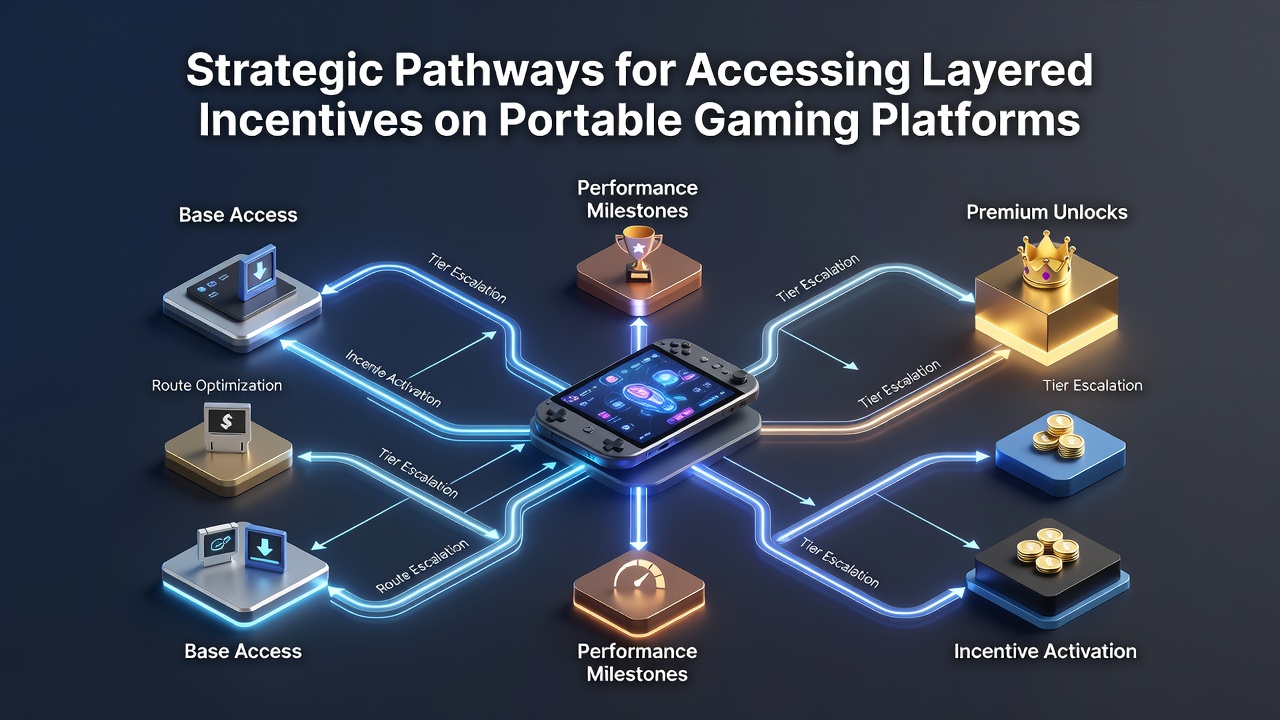
Pathways often follow predictable sequences where an initial deposit unlocks a base multiplier, subsequent daily returns activate additional spin batches, and accumulated playtime opens eligibility for invite-only features. These patterns rely on backend algorithms that monitor engagement metrics to determine when a user has satisfied criteria for the next layer, at which point the application surfaces the newly available rewards through animated alerts.
Case examples documented by industry analysts include platforms where completing a ten-spin streak grants access to a secondary wheel feature containing higher-value outcomes, while separate referral milestones contribute independent credit streams that stack alongside core progression. Such designs create multiple concurrent pathways users can pursue simultaneously, increasing overall session frequency without mandating linear completion of every available tier.
Conclusion
Strategic navigation of these systems centers on consistent monitoring of in-app trackers, timely completion of required actions, and utilization of device-native sharing tools to accelerate advancement across tiers. Data from multiple regulatory sources confirms that structured incentive layers continue to shape user behavior on portable platforms, with operators refining access mechanics in response to evolving compliance frameworks and technological capabilities.