How Referral Chains and Tiered Missions Reshape Engagement Patterns in Portable Reel Platforms
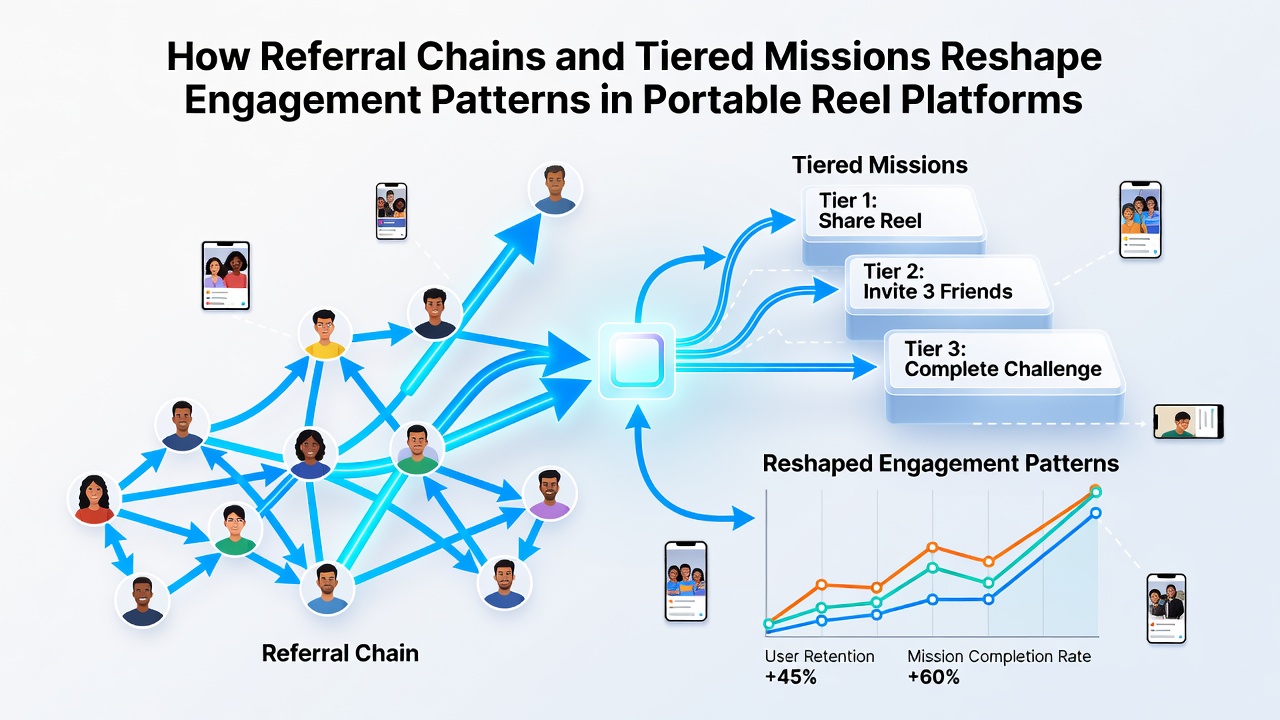
Referral chains and tiered missions have become central mechanisms that influence how users interact with portable reel platforms, and these systems drive measurable shifts in session length, return rates, and social connectivity. Platforms integrate these features to create pathways where each completed action unlocks subsequent opportunities, and data from industry analyses shows sustained increases in daily active users when such structures are active. Observers note that referral chains typically operate through invite sequences where one participant recruits others, while tiered missions layer objectives such as specific spin counts or bonus triggers that escalate in complexity across multiple levels.
Portable reel platforms, often accessed via smartphones and tablets, rely on these mechanics to maintain momentum because users can engage in short bursts throughout the day. Research indicates that when a referral chain activates, the originating user receives incremental rewards that encourage further invitations, and this process extends reach without direct platform advertising. Figures reveal that platforms employing chained referrals report higher acquisition volumes compared to standalone promotions, with the chain effect multiplying participation through repeated sharing loops.
Mechanics of Referral Chains in Mobile Reel Environments
Referral chains function as sequential reward structures where each new participant added to the network generates benefits for prior members, and this design encourages ongoing outreach. In practice, a user initiates the chain by sharing a unique code, then tracks progress as recruits complete initial spins or deposits, which in turn unlocks escalating perks for everyone involved. Those who have examined platform analytics find that chains tend to peak during periods of high visibility, such as new game launches, and the resulting engagement patterns show clusters of activity rather than isolated sessions.
August 2026 brought additional attention to these systems when several portable platforms updated their chain algorithms to cap maximum rewards per cycle, and this adjustment aimed to balance participation without overwhelming server loads. Data from regional gaming associations demonstrates that adjusted chains still produced elevated retention metrics, because the core incentive of shared progress remained intact while preventing rapid saturation.
Tiered Missions and Progressive User Involvement
Tiered missions divide gameplay into graduated stages that require cumulative achievements, and each stage builds directly upon the previous one to guide users through extended interactions. A typical structure might begin with simple reel spins, advance to collecting specific symbols, and culminate in community-linked challenges that involve multiple players. Studies conducted by research institutions have documented how these tiers correlate with prolonged session durations, since users often continue until they reach the next milestone to claim the associated reward.
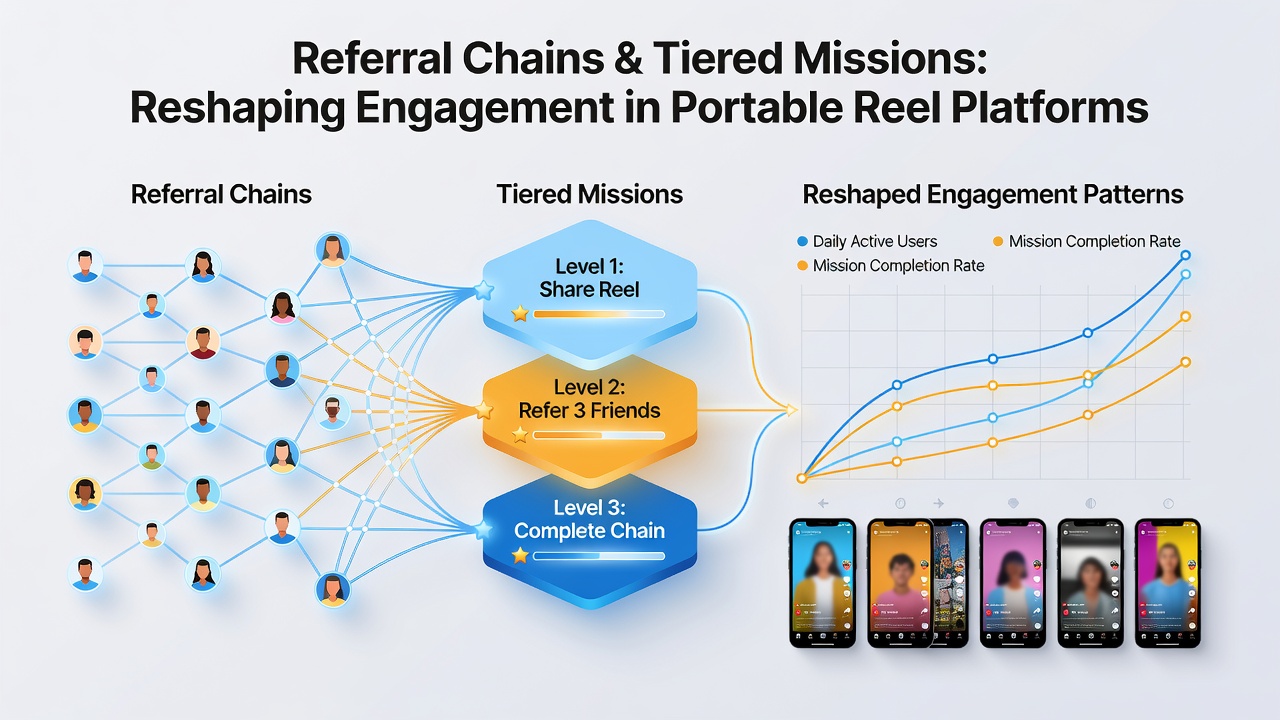
Platforms combine tiered missions with referral elements so that progress in one system feeds into the other, creating interconnected loops where inviting friends accelerates mission completion. Analysts at organizations such as the American Gaming Association have tracked similar patterns across digital gaming formats, noting that integrated systems generate consistent daily returns because users return to maintain streak continuity or assist network members. This integration alters engagement by shifting focus from solitary play toward coordinated activity within user groups.
Observed Shifts in Engagement Patterns
Engagement data collected across multiple portable reel platforms indicates that referral chains increase the frequency of short sessions, whereas tiered missions extend individual session length. Users participating in chained referrals often log in at irregular intervals to check network status, and this behavior contrasts with traditional patterns where activity clustered around fixed times. Evidence from academic examinations at institutions including the University of Sydney suggests that tiered structures foster habit formation through predictable reward schedules, while referral components add a social dimension that reinforces continued involvement.
Platforms report that combined systems also influence content discovery, because users explore new reel titles to fulfill mission requirements or to share fresh opportunities with their network. In August 2026, several operators introduced cross-platform mission compatibility that allowed progress to transfer between devices, and this feature further diversified engagement by removing barriers tied to single-device access.
Regional Variations and Platform Adaptations
Different regions exhibit distinct responses to these mechanics, with platforms tailoring chain lengths and mission difficulties to local preferences. In markets where mobile penetration is high, chains emphasize rapid recruitment cycles, while areas with stricter regulatory frameworks adjust reward visibility to align with compliance standards. Data compiled by the Australian Gambling Research Centre illustrates how tiered missions adapt to cultural factors, resulting in varied completion rates that still contribute to overall platform stickiness.
Portable reel platforms continue to refine these features based on performance metrics, and the interplay between referrals and missions produces engagement patterns that differ markedly from earlier single-feature approaches. The result is a more networked experience where individual actions ripple through groups, sustaining activity across extended periods.
Conclusion
Referral chains and tiered missions have established themselves as structural elements that directly influence how users engage with portable reel platforms through interconnected reward pathways. These systems generate measurable changes in session behavior and network growth, supported by data from multiple regulatory and research sources. As platforms evolve their implementations, the patterns observed in 2026 demonstrate ongoing adaptation that maintains user involvement through progressive and social mechanics.