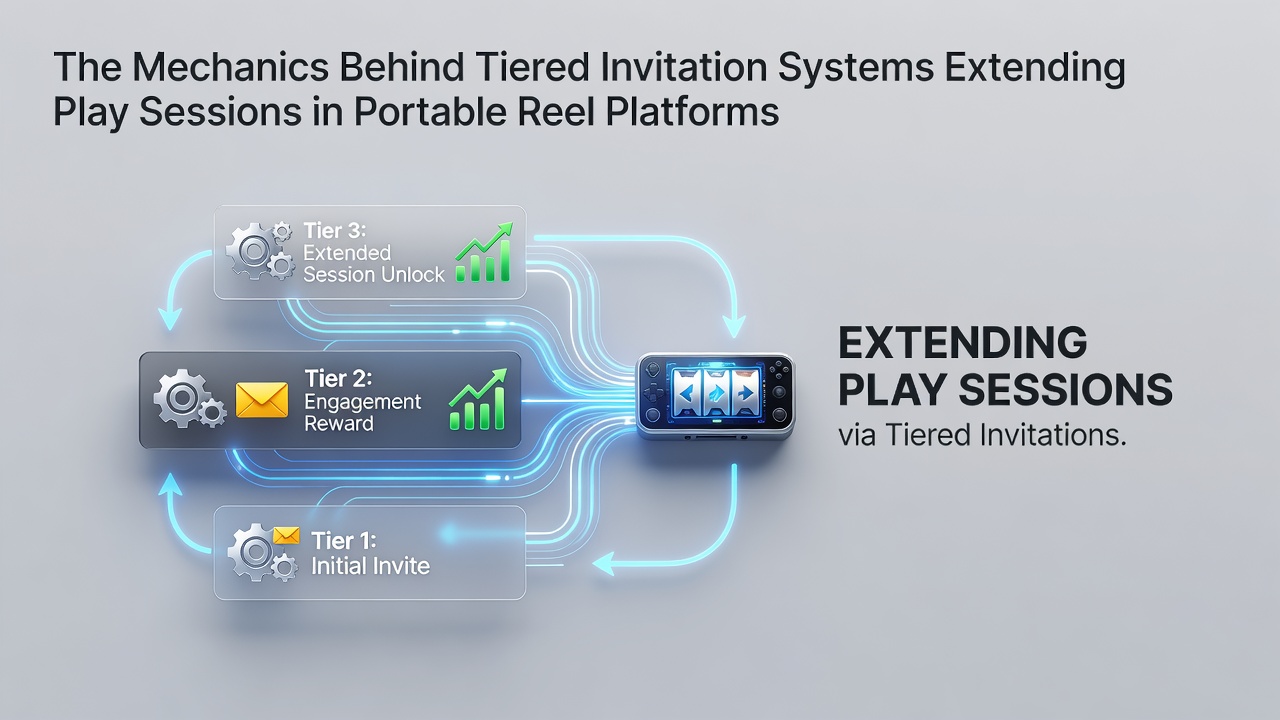
Inside Tiered Invitation Mechanisms for Prolonged Engagement in Handheld Reel Applications
Portable reel platforms have integrated tiered invitation systems that function through progressive reward structures designed to extend user activity across multiple sessions, and these frameworks operate by linking social referrals to escalating benefit tiers that unlock only after sustained platform interaction. Observers note that each tier requires participants to complete specific actions such as inviting contacts or maintaining daily logins before higher-value incentives become available, which creates a sequential process that encourages repeated engagement rather than one-time visits.
Research from the Canadian Centre on Substance Use and Addiction indicates that such layered systems appeared more frequently in mobile gaming applications by early 2026, with data showing average session durations increasing when users advanced through at least three distinct invitation levels. The mechanics rely on backend tracking that monitors invite acceptance rates alongside individual play metrics, automatically advancing qualified accounts to the next tier once thresholds are met.
Core Components of Tier Progression
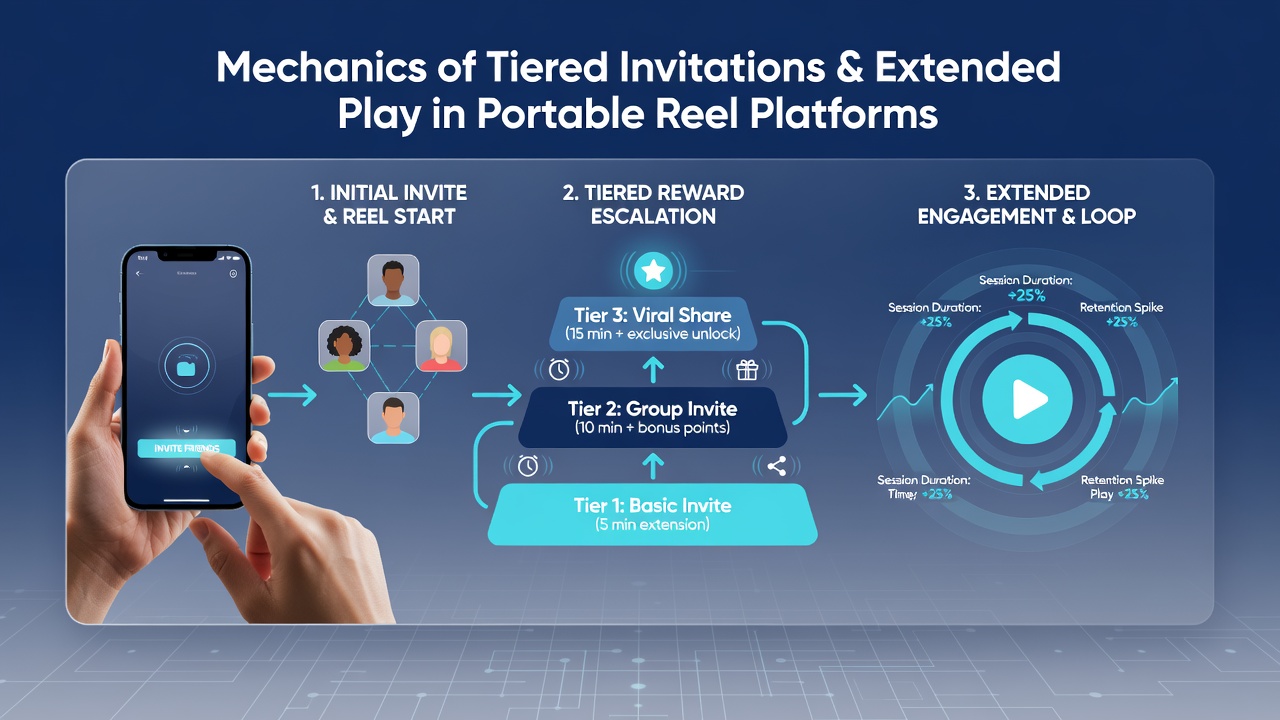
Entry-level tiers typically grant basic free spins or credit multipliers upon successful referral confirmation, while mid-level stages introduce time-limited multipliers that activate only during consecutive play windows, and top tiers deliver exclusive access to custom reel configurations or accelerated payout schedules. These stages connect through conditional logic that resets partial progress if activity drops below platform-defined minimums, thereby prompting users to sustain momentum across days or weeks.
Platform developers implement these rules via algorithmic triggers that evaluate both the inviter's and invitee's activity logs simultaneously, ensuring rewards scale only when both parties contribute to extended play cycles. Studies from the University of Nevada Gaming Research Center have documented how this dual-account verification reduces one-off referrals and favors patterns where participants return regularly to unlock subsequent stages.
Session Extension Through Social and Reward Loops
Tiered systems extend play by embedding social obligations into the reward pathway, where each accepted invitation generates a follow-up notification that appears during active sessions and prompts immediate reel engagement to claim the associated benefit. Data collected across Australian digital entertainment markets reveals that users who reach the second tier often record play intervals 40 percent longer than those remaining at the base level, largely because the next unlock requires additional spins within a fixed timeframe.
What's notable is the way platforms time these notifications to coincide with natural session lulls, which re-engages participants before they exit the application. July 2026 figures from several European mobile analytics providers showed peak referral activity occurring between 8pm and 11pm local time, aligning with periods when portable device usage remains high and users are more likely to continue playing after receiving an invite-based reward.
Technical Implementation on Mobile Interfaces
Developers embed invitation tracking within the app's core architecture so that progress updates occur in real time without requiring users to navigate separate menus, which keeps the focus on reel spinning while the system quietly calculates tier advancement. Conditional code segments monitor variables such as total spins completed since the last invite, cumulative wager amounts, and the number of verified referrals that have themselves reached a minimum play threshold.
These calculations run server-side to prevent tampering, yet they surface through in-app pop-ups that display remaining requirements for the next tier, and this transparency has been linked in industry reports to higher retention rates among users who can visualize their advancement path clearly. Platforms also incorporate fallback mechanisms that convert unclaimed mid-tier rewards into lower-value credits after a set expiration period, which further incentivizes prompt return visits.
Geographic Variations in System Design
Regulatory environments in different regions shape how these invitation frameworks are calibrated, with North American operators often emphasizing wager-based tier climbs while operators in parts of Asia incorporate social sharing metrics more prominently. According to an analysis published by the National Council on Problem Gambling, variations in tier depth correlate with local device usage patterns, where markets with higher average daily screen time tend to feature more tiers to match prolonged availability windows.
One documented case involved a platform that adjusted its top-tier unlock criteria after observing that users in regions with stricter data-sharing rules completed fewer referrals, prompting a shift toward solo-play milestones that still required extended session lengths to achieve.
Conclusion
Tiered invitation systems in portable reel platforms function through interconnected reward stages that tie social actions to sustained individual activity, and their design continues to evolve in response to usage data collected through 2026. The mechanisms rely on real-time tracking, conditional unlocks, and timed notifications that collectively steer users toward longer and more frequent play intervals across mobile devices. As these frameworks mature, platform operators adjust parameters based on regional analytics to maintain the balance between engagement targets and operational constraints.