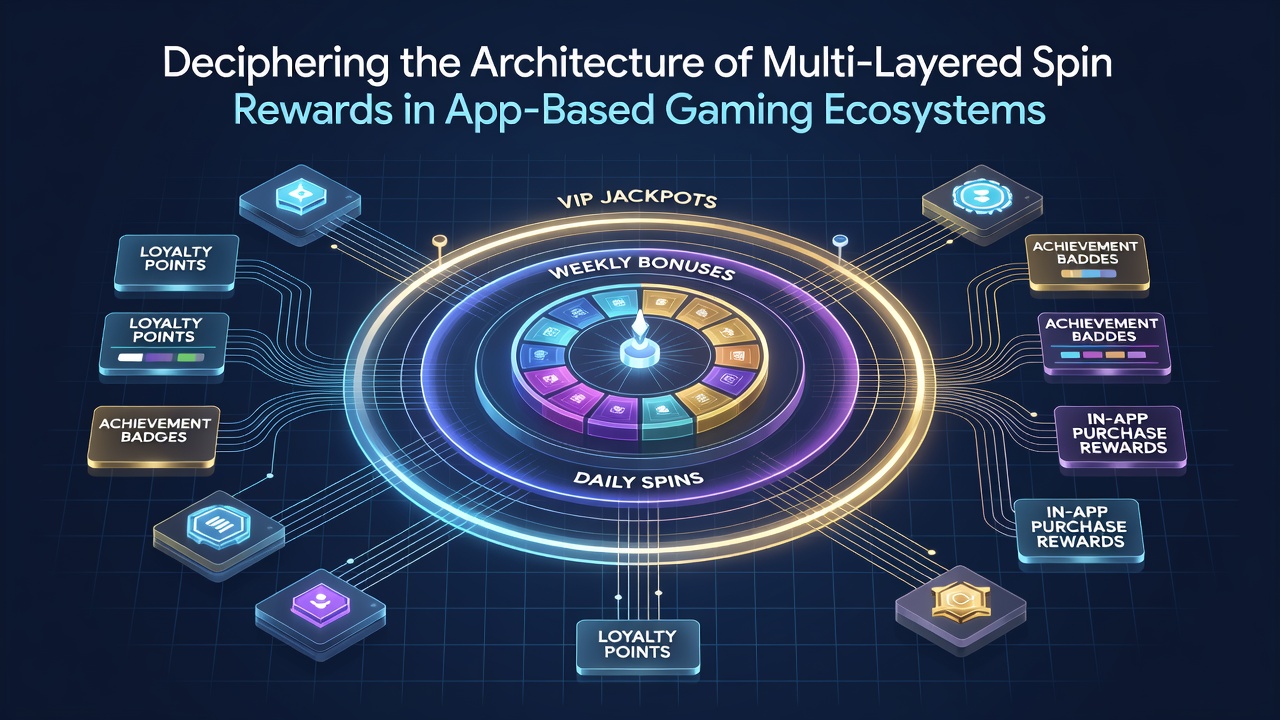
Mapping the Complex Layers of Spin-Based Incentives in Mobile App Gaming
App-based gaming ecosystems have developed intricate structures for distributing spin rewards that operate across multiple tiers, where each layer connects to user activity, platform algorithms, and regulatory frameworks in ways that extend play sessions without direct cash deposits. Observers note these systems integrate daily login sequences with achievement-based unlocks, creating pathways that begin with basic free spins and expand into chained multipliers or mission-specific reel bonuses, all while data from industry reports shows consistent revenue growth tied to retention metrics.
Core Components of Tiered Reward Structures
At the foundation level developers embed simple access points such as welcome spins that activate upon first app installation, yet these connect upward through behavioral triggers including consecutive login streaks or minimum wager thresholds that unlock secondary layers. Researchers from academic institutions have documented how these base mechanisms feed into mid-tier features like referral chains, where one player's invitation generates additional spins for both parties, and further into advanced segments that incorporate seasonal events or progressive jackpots. Data indicates that by July 2026 mobile platforms had refined these connections to synchronize with device usage patterns, allowing seamless transitions between layers based on session duration and in-app purchase history.
What's interesting is the role of algorithmic personalization, since platforms analyze player data to adjust reward visibility and eligibility without altering the underlying architecture. Studies from research organizations reveal that this customization increases engagement rates by routing users toward specific tiers that match their historical spin frequency, while maintaining compliance with regional rules on promotional caps and transparency disclosures.
Integration with Broader Ecosystem Dynamics
Multi-layered spin rewards rarely stand alone, because they intersect with payment gateways, loyalty programs, and cross-game promotions that extend the value of each spin across an entire suite of titles. Gaming associations have reported that in mature markets these integrations create feedback loops where earned spins from one app section convert into currency usable in others, thereby sustaining longer user journeys. One study revealed that sequential bonus chains, which build upon prior layer completions, account for measurable increases in average session times across various operating systems.
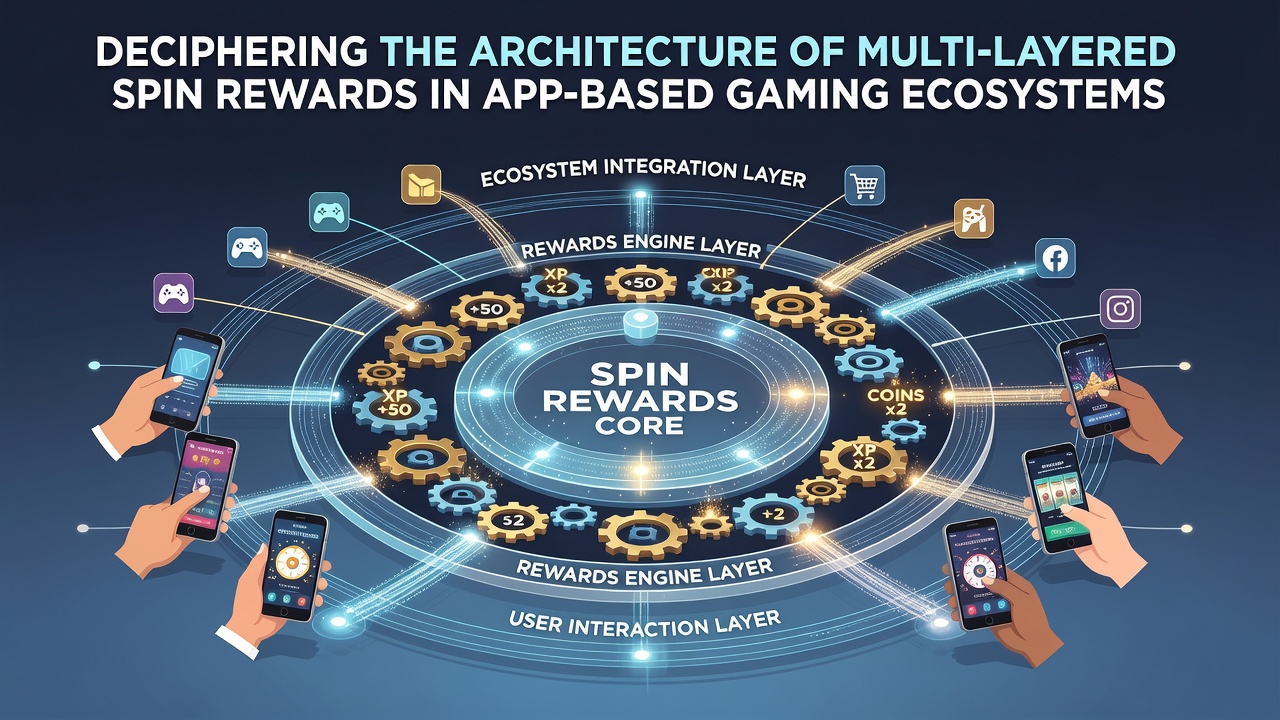
External factors such as device updates or network conditions also influence how these layers function in practice, although developers design fallback protocols to preserve reward access during connectivity issues. Figures from trade groups show that platforms operating in multiple jurisdictions adapt their tier requirements to align with local standards on bonus advertising and player verification, ensuring the architecture remains functional while avoiding regulatory friction.
Technical and Operational Considerations
Behind the visible reward interfaces lie backend databases that track layer progression through unique identifiers assigned to each account, and these systems employ encryption protocols to secure transaction histories linked to spin allocations. Experts have observed that real-time analytics engines monitor the flow between layers, triggering automated adjustments when certain thresholds, such as total spins completed or time elapsed since last reward, are met. According to reports from international gaming bodies, such operational safeguards help maintain system integrity across high-volume user bases while supporting scalability during peak periods like holiday events.
Case examples include platforms that introduced quest-driven overlays on top of existing spin tiers, transforming routine daily rewards into narrative sequences where completing missions advances players to higher layers with enhanced multipliers. Those who've examined these implementations note the reliance on modular code frameworks that allow quick additions of new layers without disrupting established reward flows.
Future Trajectories in Reward Architecture
Developments projected beyond July 2026 point toward greater incorporation of machine learning models that predict optimal layer entry points for individual users, based on aggregated anonymized datasets rather than single-session behavior. Industry organizations emphasize that ongoing refinements will likely focus on balancing reward density with platform sustainability, incorporating feedback from user surveys and performance metrics collected across diverse geographic regions. Data from university-led analyses suggests these evolutions will continue to emphasize transparency in how layers interconnect, providing clearer explanations within apps about eligibility criteria and progression mechanics.
Conclusion
The architecture of multi-layered spin rewards in app-based gaming continues to evolve through interconnected technical, behavioral, and regulatory elements that shape user experiences across global platforms. Observers note that understanding these structures requires attention to both the visible progression systems and the underlying data processes that sustain them over time. As ecosystems expand, the emphasis remains on maintaining functional balance between accessibility, engagement, and compliance standards established by various oversight entities worldwide.