Player Referral Mechanisms Fueling Progressive Spin Rewards in Mobile Casino Environments
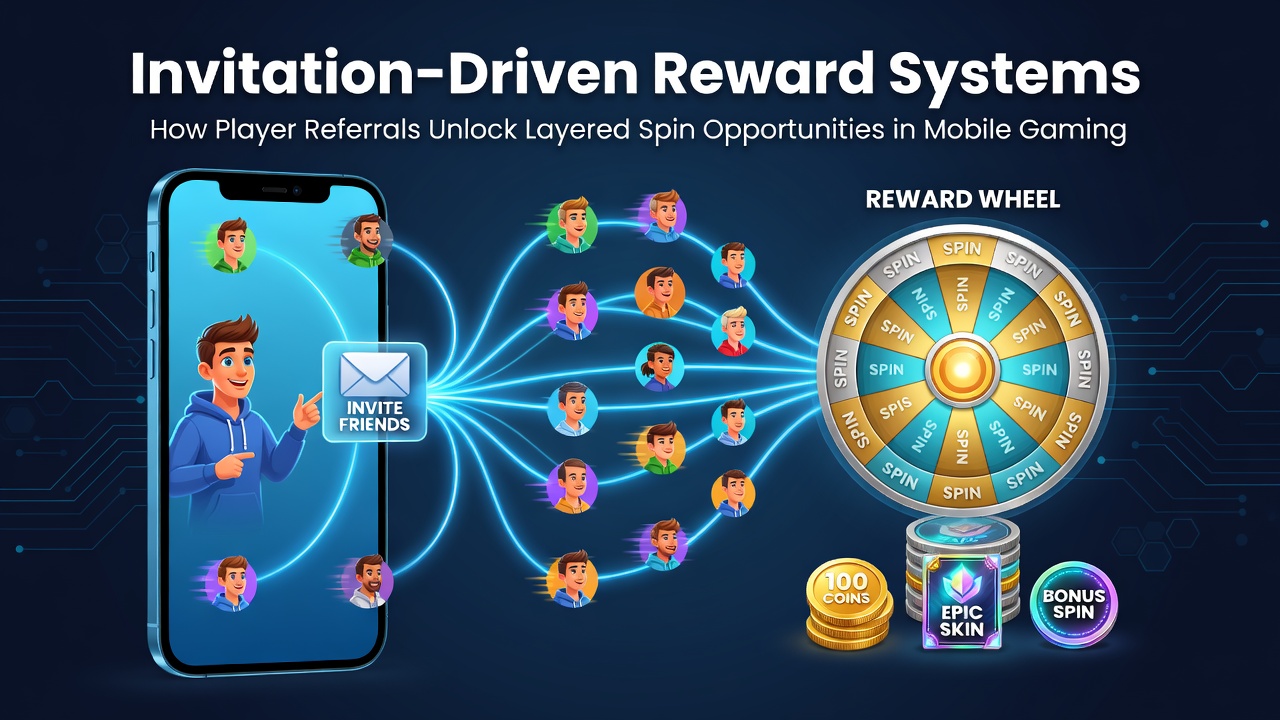
Referral systems in mobile gaming operate through structured invitation protocols that connect existing players with new participants, and these frameworks generate access to multi-tiered spin allocations rather than single-use rewards. Data from industry monitoring shows that platforms deploy these mechanisms to extend user engagement cycles while distributing bonus spins across progressive levels based on referral completion rates and activity thresholds.
Core Structure of Invitation Protocols
Platforms initiate the process when a registered user shares a unique referral code or link with potential players, and upon successful registration plus a qualifying deposit or play period the referrer receives an initial spin bundle. Observers note that subsequent milestones unlock additional layers such as extra daily spins, multiplier-enhanced rounds, or access to exclusive reel features, while the referred player often gains parallel benefits that scale with continued platform interaction.
Research indicates these layered structures rely on algorithmic tracking that monitors referral chains, and figures from multiple operators reveal that players completing three or more successful invitations typically advance to higher tiers granting between 50 and 200 additional spins per week depending on the specific program rules active in July 2026.
Mechanics Behind Tiered Spin Unlocks
Each invitation cycle feeds into a cumulative reward matrix where basic referrals grant entry-level spins, and sustained activity from the new user triggers automatic upgrades for both parties. Those who've studied platform designs point out that systems often incorporate time-bound windows, meaning referrals must achieve deposit or wager targets within 14 to 30 days to activate the next layer.
According to reports compiled by the American Gaming Association, referral-driven spin programs accounted for measurable portions of mobile engagement growth in several jurisdictions during the first half of 2026, with operators reporting that players in mid-tier brackets maintained session lengths 25 percent longer than non-referred cohorts on average.
Geographic Variations in Program Design
European operators frequently integrate regulatory caps on bonus values into their invitation frameworks, whereas North American and Australian platforms emphasize volume-based unlocks that scale with network size. A study released through the University of Nevada's gaming research division documented how referral tiers in mobile slots correlate with regional player retention metrics, showing higher completion rates for programs that stagger spin releases across multiple days rather than delivering them in single batches.
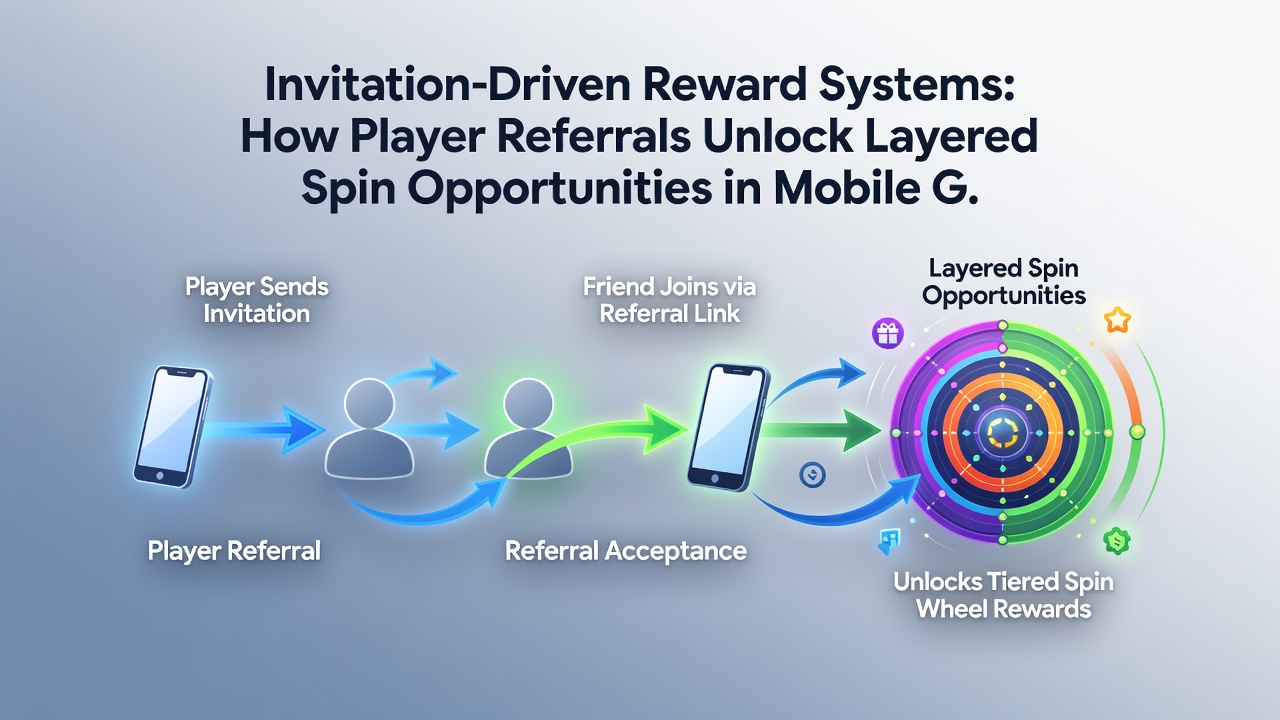
What's interesting is that some systems embed social verification steps requiring both referrer and referee to maintain minimum activity levels before advancing, and this approach reduces inactive accounts while sustaining the layered spin pipeline over extended periods.
Tracking and Compliance Considerations
Operators utilize backend analytics to verify referral authenticity and prevent duplicate accounts, and regulatory frameworks in places like Ontario and New Jersey mandate transparent disclosure of all bonus terms within these invitation programs. Data shows that compliant platforms publish clear progression charts outlining how many referrals are needed to reach each spin tier, which helps maintain user trust across the mobile ecosystem.
One documented case involved an operator adjusting its referral matrix in response to updated advertising standards from the Australian Communications and Media Authority, resulting in simplified tier descriptions that still preserved the layered spin opportunities for active networks.
Impact on Player Behavior Patterns
Engagement logs from multiple mobile platforms indicate that users participating in referral programs exhibit higher frequency of logins during the initial weeks after a successful invitation, and the promise of unlocking subsequent spin layers often drives incremental deposits. Researchers at various academic centers have noted that these behavioral shifts appear most pronounced when programs combine spin rewards with social leaderboard elements that display collective referral achievements.
Yet the structure remains dependent on platform-specific algorithms that adjust tier thresholds based on overall user acquisition costs, and operators periodically recalibrate these parameters to balance acquisition incentives against long-term revenue targets.
Conclusion
Invitation-driven systems continue to evolve as operators refine the balance between accessibility and progression depth, and the resulting layered spin opportunities create sustained engagement loops within mobile gaming environments. Figures from diverse regulatory regions confirm that referral frameworks contribute measurable activity when structured around clear, achievable milestones rather than opaque requirements. As mobile platforms expand their user bases through 2026, these mechanisms represent one established method for distributing spin rewards across connected player networks while adhering to varying compliance standards.