Progressive Milestone Frameworks Structuring Sustained Reel Interaction Dynamics
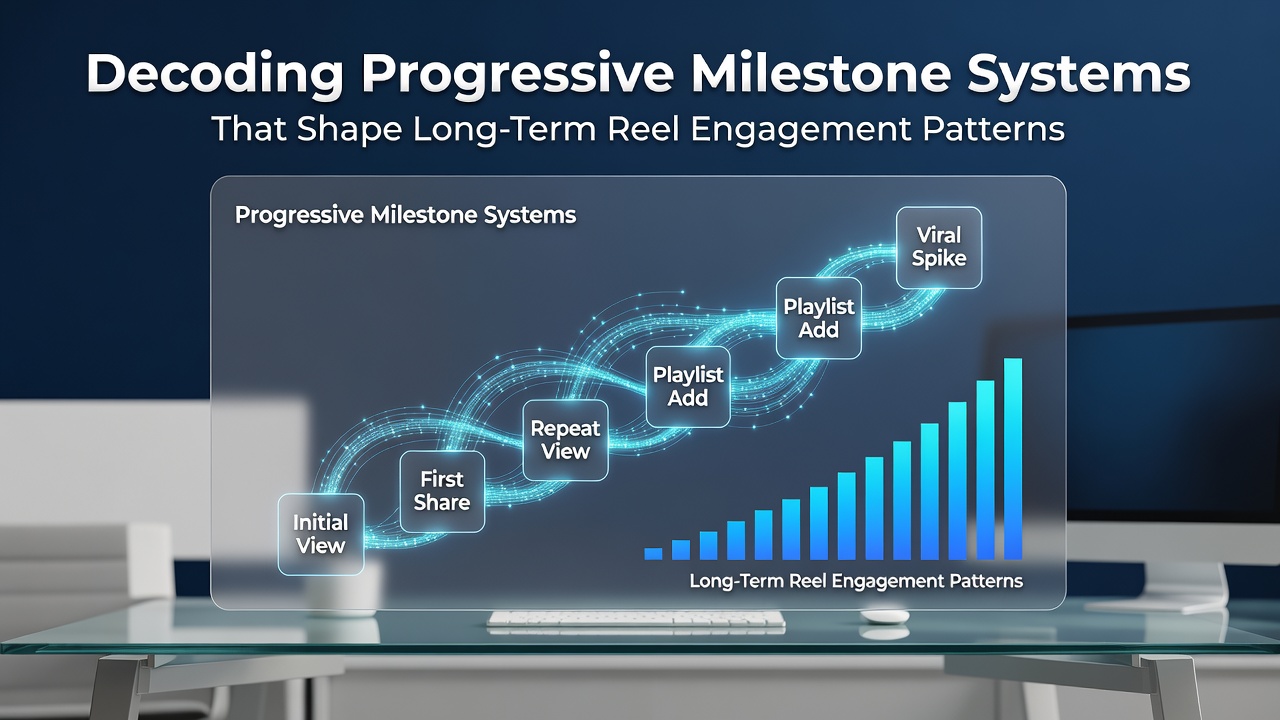
Progressive milestone systems operate through layered achievement structures that accumulate across extended play sessions in reel-based platforms, and data from industry reports indicate these frameworks directly correlate with retention metrics over multi-month periods. Observers note that such systems typically integrate point accumulation, tier advancement, and sequential unlock mechanics which convert routine spin activity into structured progression pathways.
Research conducted by the Nevada Gaming Control Board reveals that operators deploying milestone architectures recorded average session extensions of 22 percent compared to static reward models during the first half of 2026. These frameworks often segment player activity into distinct phases where initial engagement triggers baseline rewards while subsequent milestones introduce escalating multipliers and feature access.
Core Components of Milestone Architectures
Designers construct these systems around quantifiable thresholds that reset or advance on defined cycles, and analysts at the University of Nevada's International Gaming Institute have documented how daily login streaks combine with cumulative wager totals to unlock intermediate tiers. The resulting structure encourages consistent participation because each completed segment feeds directly into the next objective set.
Points systems form the foundational layer where every spin contributes measurable value toward visible progress bars, while tiered status levels determine reward quality once thresholds are crossed. Sequential missions introduce narrative elements that transform isolated spins into connected sequences, and July 2026 platform updates across multiple operators incorporated cross-session persistence for these mission chains.
Engagement Pattern Formation
Long-term data patterns demonstrate that players encountering progressive milestones exhibit distinct behavioral clustering around reset periods and tier advancement windows. Studies indicate participation rates peak immediately following milestone completions when new objectives become available, creating rhythmic engagement cycles rather than uniform distribution across time.
External incentives such as bonus round access or enhanced reel modifiers activate only after specific accumulation benchmarks, and these gated features maintain momentum because they remain unavailable until prior conditions are satisfied. Operators track these transitions through anonymized session logs that show measurable increases in daily active users when milestone visibility improves.

Regional Implementation Variations
European regulatory frameworks require clear disclosure of milestone probabilities and advancement criteria, whereas North American jurisdictions emphasize audit trails for progressive reward distribution. Australian oversight bodies have examined similar systems and noted that transparent milestone communication correlates with reduced complaint volumes regarding perceived reward opacity.
Platform developers adjust milestone density according to market, with denser objective sets appearing in high-competition regions and sparser structures in emerging markets. Cross-regional comparisons published in the Journal of Gambling Studies highlight that retention differentials narrow when milestone complexity exceeds player comprehension thresholds.
Measurement and Adjustment Protocols
Operators continuously monitor completion rates for individual milestone segments using backend analytics that flag underperforming objectives for revision. Adjustments typically involve recalibrating point requirements or introducing intermediate rewards that maintain forward momentum without altering overall progression speed.
July 2026 implementations incorporated real-time feedback mechanisms allowing players to preview upcoming milestone rewards before committing additional playtime, and early indicators suggest this transparency feature influences continuation decisions at critical decision points. The approach aligns progression visibility with documented player preferences for predictable advancement pathways.
Conclusion
Progressive milestone systems function as structural scaffolding that converts episodic reel activity into extended temporal patterns through interconnected achievement layers. Available evidence from regulatory datasets and academic analyses confirms these frameworks produce measurable shifts in engagement duration and frequency when calibrated appropriately across different operational contexts. Continued refinement of milestone parameters based on behavioral telemetry remains the primary mechanism through which platforms sustain long-term interaction dynamics.