Progressive Unlock Systems Reshaping Free Play Dynamics in Virtual Casino Platforms
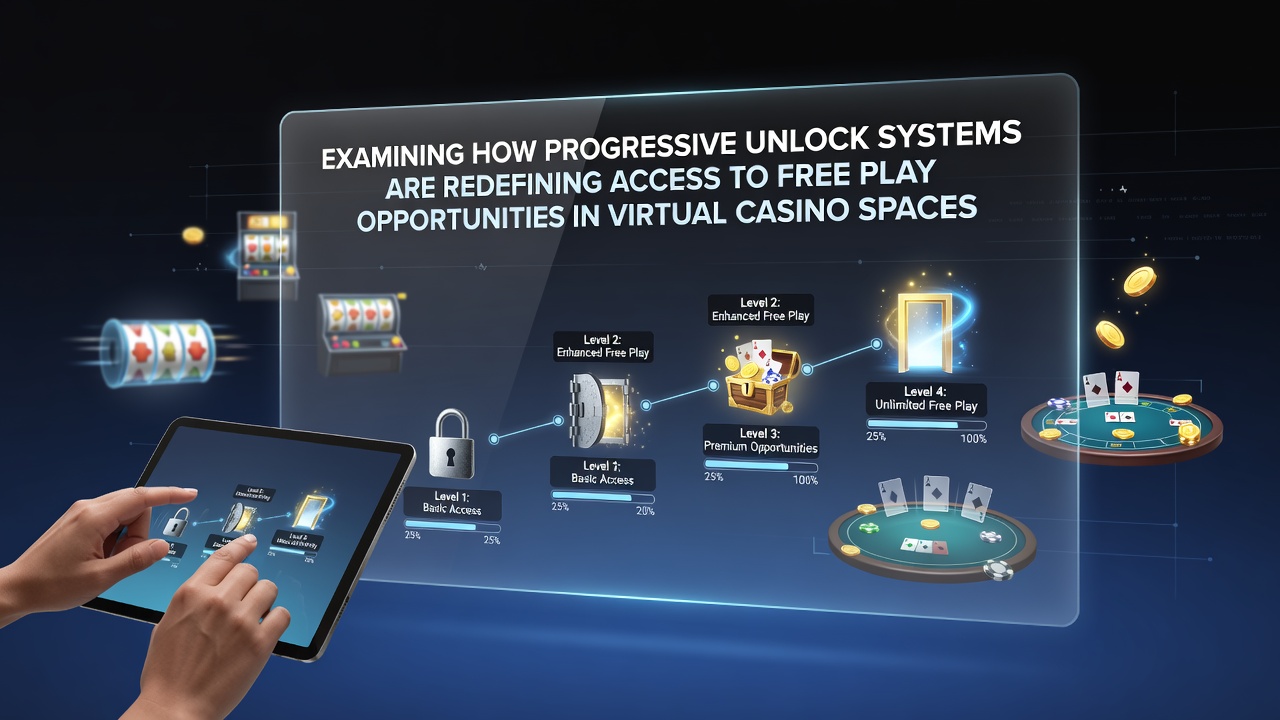
Progressive unlock systems operate through layered access structures that grant players incremental entry to free play features based on accumulated activity metrics such as login streaks, wager volume, and completion of designated tasks, and these mechanisms have expanded across multiple virtual casino platforms since their initial rollout in the mid-2010s.
Operators implement these systems by tracking player data through centralized accounts where thresholds trigger automatic release of free spins, bonus credits, or restricted game modes, while algorithms adjust unlock speeds according to individual engagement patterns.
Mechanics Behind Tiered Access Models
Each tier typically requires a combination of time-based logins and minimum play requirements, and once reached the next level opens additional free play pools that were previously unavailable, creating a sequential path that extends session duration without direct monetary deposits. Data from industry tracking firms shows that platforms using these models report higher retention rates in the first 30 days compared to flat bonus structures, although exact percentages vary by region and game portfolio.
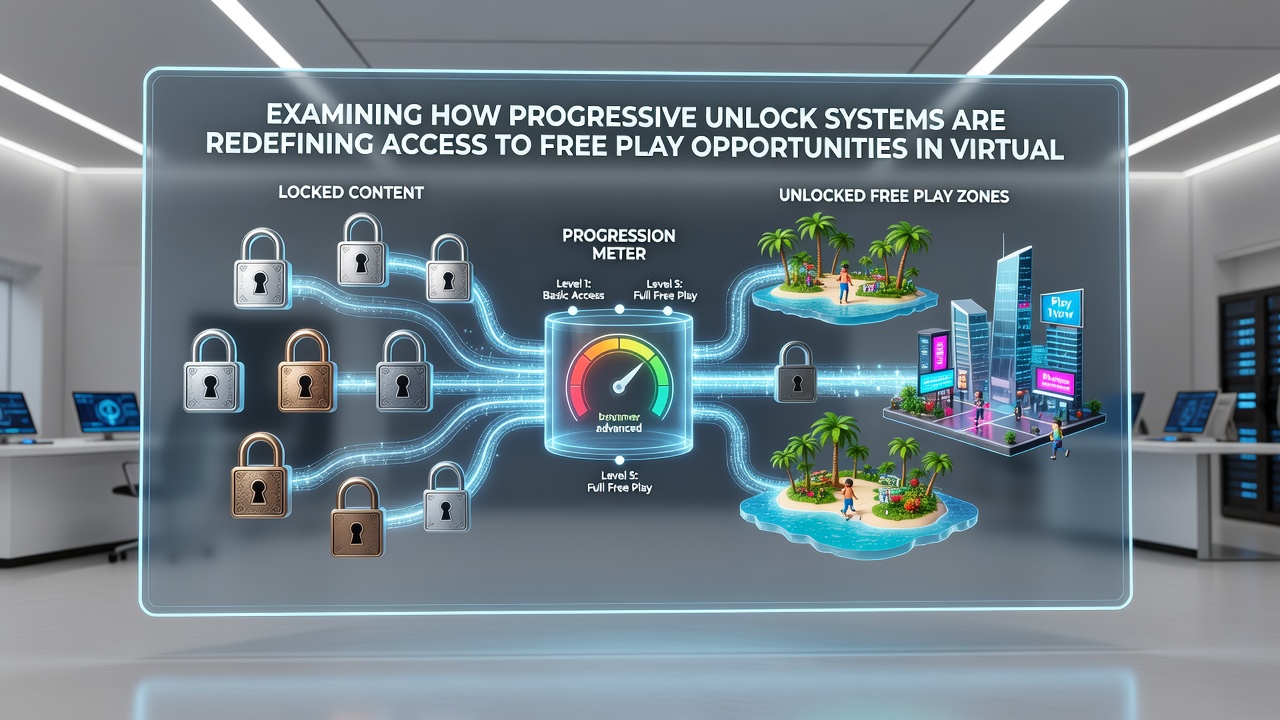
Designers integrate visual progress indicators such as meters and milestone notifications that update in real time, and these elements guide users through the unlock sequence while maintaining compliance with local regulatory frameworks that govern promotional mechanics.
Regional Adoption Patterns Through Mid-2026
European operators began scaling progressive unlocks more aggressively after 2023 regulatory updates, whereas North American markets saw accelerated adoption following state-level online gaming expansions in 2024 and 2025. A July 2026 analysis published by the American Gaming Association highlighted how several major platforms in regulated U.S. jurisdictions recorded a 22 percent increase in free play redemptions tied directly to progressive tiers during the first half of the year.
Canadian provincial regulators have also documented similar trends, with Ontario's iGaming market showing that unlock-based promotions accounted for roughly 18 percent of all no-deposit offers distributed between January and June 2026. Australian operators meanwhile introduced hybrid versions that blend progressive unlocks with loyalty point conversions, resulting in measurable upticks in cross-game exploration according to reports from the Australian Gambling Research Centre.
Impact on Player Discovery and Session Extension
Players encounter free play opportunities through gated content that rewards consistent interaction, and this approach shifts traditional acquisition tactics toward sustained engagement loops rather than one-time sign-up incentives. Research conducted by the University of Nevada's International Gaming Institute found that participants in progressive systems completed an average of 3.4 additional game titles per month compared to those using standard bonus models, suggesting broader title discovery occurs as unlock layers accumulate.
Platforms adjust difficulty curves so early tiers remain accessible within the first few sessions while later stages demand higher cumulative activity, and this graduated structure helps balance acquisition costs against long-term retention metrics tracked internally by operators.
Technical Integration With Existing Loyalty Frameworks
Many systems merge progressive unlocks with established loyalty programs so that points earned through regular play accelerate tier advancement, and this convergence reduces the need for separate promotional campaigns while streamlining backend reward distribution. Operators report that such integrations lower marketing overhead because automated triggers replace manual bonus allocation processes.
Security protocols verify account authenticity before releasing unlocked free play, and these checks align with broader responsible gaming tools that allow self-imposed limits on progression speed or total rewards claimed within defined periods.
Future Trajectory Based on Current Data Trends
Industry observers note that progressive unlock adoption continues to rise as mobile interfaces improve visual feedback and as cross-platform account syncing becomes standard, and projections from the European Gaming and Betting Association indicate that over 60 percent of major online casino operators will incorporate at least one progressive layer by the end of 2027. These developments occur alongside ongoing refinements in data analytics that personalize unlock pacing to individual risk profiles without altering core eligibility rules.
Conclusion
Progressive unlock systems have established themselves as a distinct category of player progression tools that link free play access to measurable activity milestones across virtual casino environments. Evidence from regulatory filings, academic studies, and operator disclosures demonstrates steady expansion of these models through 2026, particularly in markets with mature online frameworks. The resulting structures continue to influence how free play opportunities distribute while remaining subject to evolving compliance requirements in multiple jurisdictions.