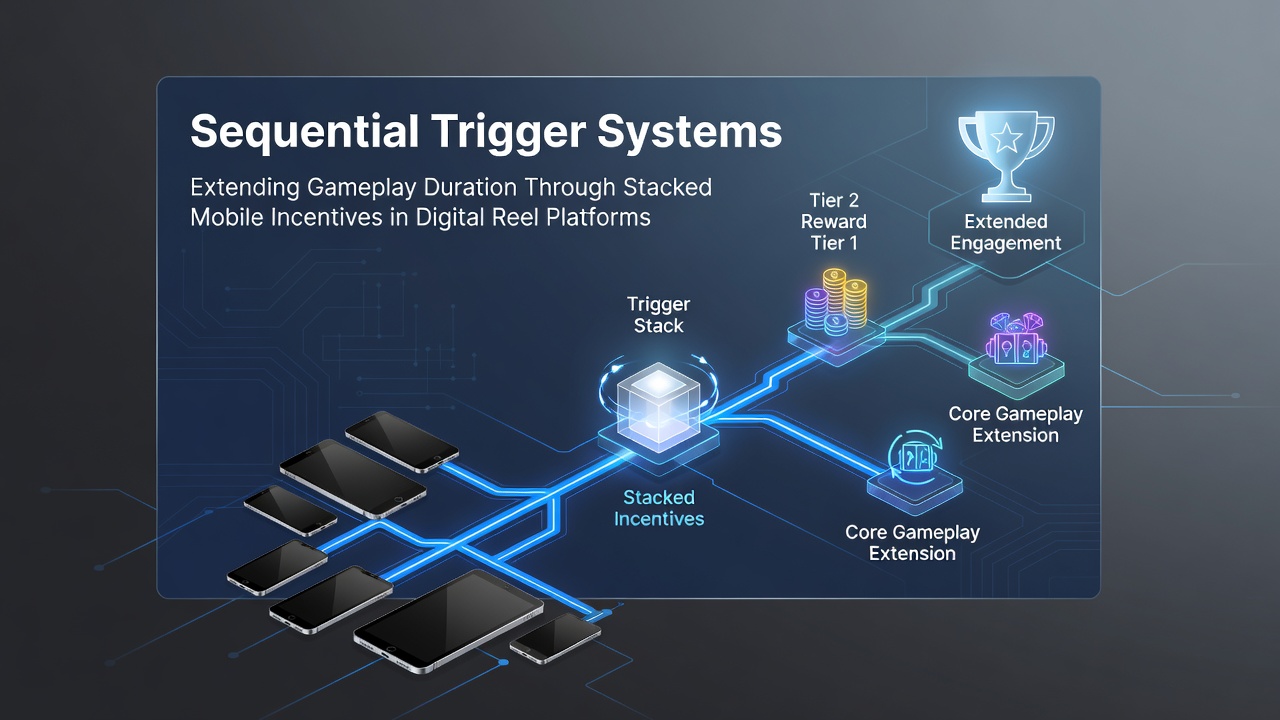
Sequential Trigger Systems: How Stacked Mobile Incentives Extend Play Sessions in Digital Reel Platforms
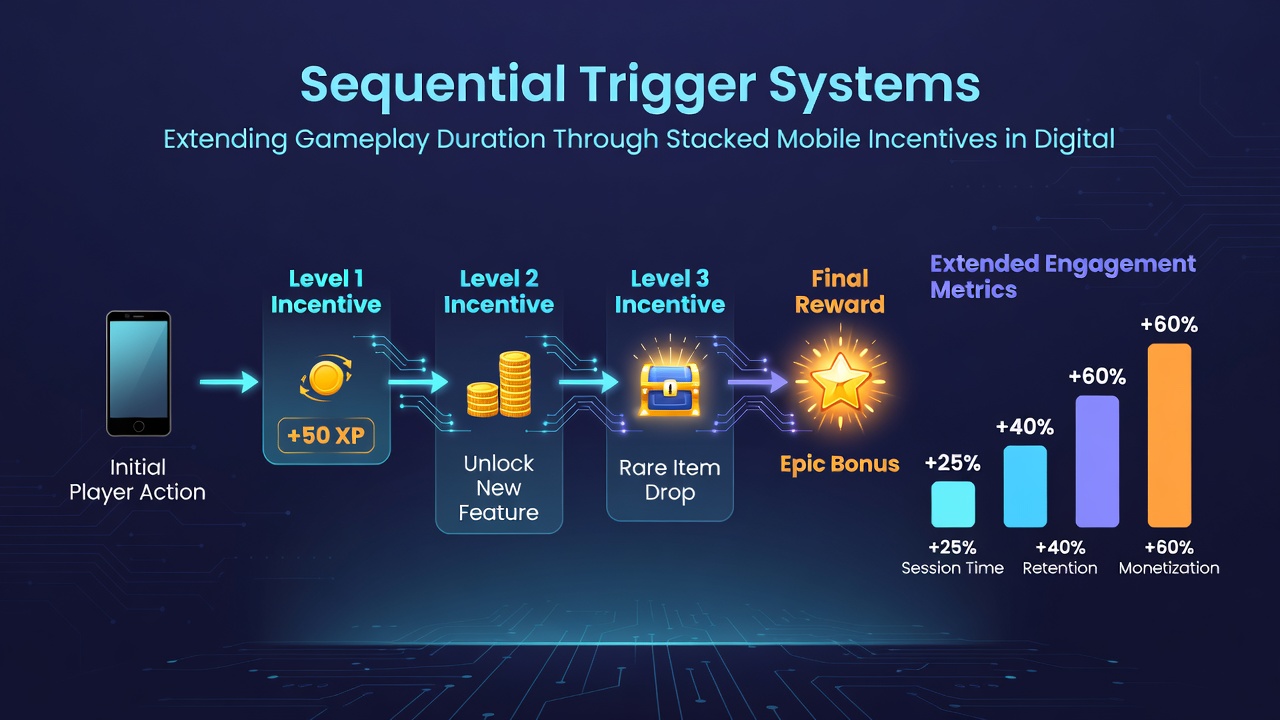
Sequential trigger systems operate by chaining multiple bonus activations one after another in mobile slot environments, and they rely on stacked incentives that build upon each previous reward to keep reels spinning longer. Platforms design these mechanisms so that completing one trigger condition automatically unlocks the next layer of rewards, creating continuous engagement without requiring players to restart the process each time. Data from industry reports shows that such layered approaches appeared more frequently after 2024 as developers responded to mobile user patterns favoring shorter but repeated interactions.
Core Components of Sequential Triggers
Each sequential trigger begins with a base action such as landing specific symbol combinations on the reels, and this initial success then feeds into a secondary condition like accumulating a set number of points during a bonus round. Researchers at gaming technology firms have documented how the system monitors progress across sessions, allowing partial completion to carry over when users return later. Mobile applications integrate push notifications that remind players of remaining steps toward the next trigger, which extends total play duration according to usage statistics collected in early 2026.
Stacked incentives layer additional rewards on top of these triggers, including free spins that multiply based on prior performance, cashback percentages that increase with consecutive days of activity, and loyalty points convertible only after several linked events occur. Observers note that these stacks function differently from single bonuses because they create dependency chains where one incentive directly influences eligibility for the following one.
Mobile-Specific Design Elements
Digital reel platforms optimize sequential systems for touch interfaces by displaying progress bars that fill incrementally with each spin, and they adjust incentive values based on device type and session length. Studies conducted by academic gaming research centers indicate that mobile users respond more consistently to visual stacking cues than desktop players do, partly because shorter attention windows on phones benefit from immediate feedback loops. In July 2026 several operators introduced adaptive stacking that changes incentive tiers according to real-time player behavior data gathered from millions of sessions.
Developers incorporate geolocation features so that certain stacked rewards become available only when users are in specific regions, adding another layer to the sequence without altering core mechanics. This approach aligns with regulatory frameworks outside the UK, such as those outlined by the Nevada Gaming Control Board, which tracks incentive structures for compliance while permitting innovation in mobile delivery.
Effects on Session Length and Retention
Figures from platform analytics reveal that sequential trigger implementations correlate with average session extensions of 18 to 27 minutes compared to non-layered bonus models. The extension occurs because each completed trigger resets the decision point for stopping play, and stacked incentives provide fresh motivation before the previous reward fully expires. Those who have examined retention metrics across multiple markets report that players who engage with at least three stacked layers per session show higher return rates within 48 hours.
Case examples include platforms that introduced mission-style sequences where daily logins contribute to a larger trigger chain, and these have demonstrated sustained activity spikes during holiday periods in 2025 and 2026. The ball remains in the developers' court to refine these systems further as competition increases among mobile-first providers.
Regulatory and Technical Considerations
Technical standards require transparent display of trigger probabilities so players understand the conditions needed to advance through stacked layers, and several jurisdictions mandate audit trails for all incentive calculations. An industry report from the International iGaming Research Association highlights that sequential systems must separate promotional elements from core game mathematics to avoid classification issues. In practice this means bonus triggers operate on independent random number generators while still linking visually to the main reels.
Platforms continue testing variations such as time-limited stacks that expire if not completed within a window, which adds urgency without changing the fundamental sequential flow. Data collected through July 2026 shows these timed variants maintain engagement levels similar to open-ended chains when paired with mobile reminders.
Conclusion
Sequential trigger systems combined with stacked mobile incentives represent a structured method for extending gameplay in digital reel platforms through chained conditions and layered rewards. Evidence from usage data and technical implementations demonstrates measurable impacts on session duration across markets. As platforms refine these mechanics through 2026, the focus remains on transparent delivery and compliance with varied regional standards that govern incentive structures.