Tracing Layered Reward Sequences Across Mobile Reel Platforms
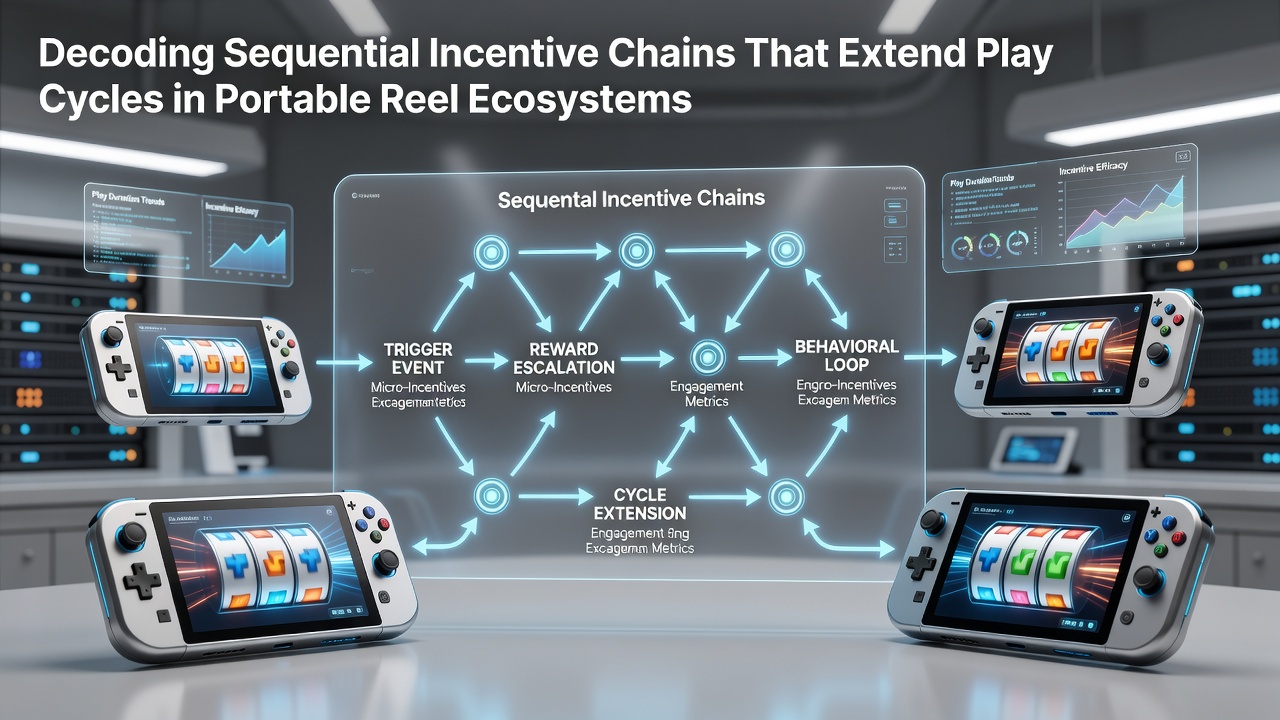
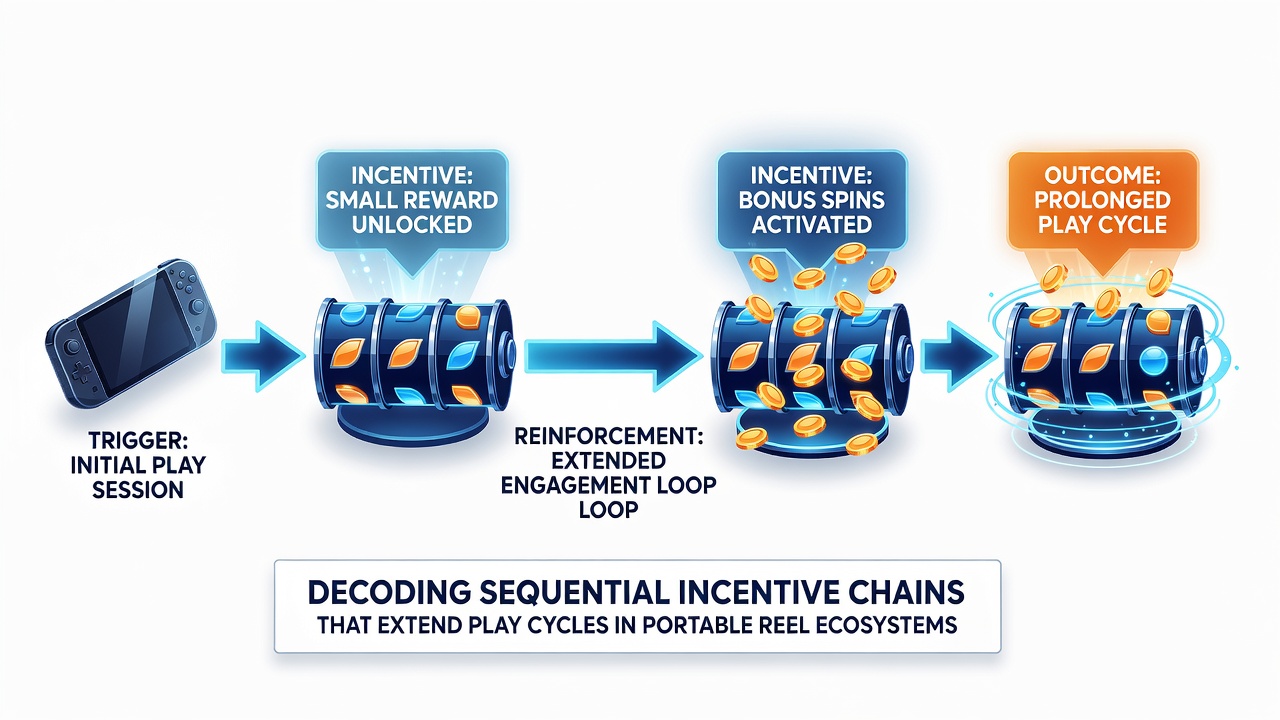
Portable reel ecosystems rely on interconnected incentive structures that guide users through successive stages of engagement, and industry data shows these sequences often begin with entry-level rewards such as initial free spins before advancing to milestone-based multipliers and task completions. Developers design these chains so that each completed stage unlocks the next, creating a continuous loop where one reward directly feeds into another action on the reels.
Core Components of Sequential Incentive Chains
Each chain typically includes entry triggers, progression markers, and escalation mechanics, while mobile platforms integrate these elements into daily login systems and session-based goals. Research from the Canadian Centre on Substance Use and Addiction indicates that such layered structures appear across multiple jurisdictions, with operators tracking completion rates through backend analytics that measure how often players move from one tier to the next.
Progression markers often take the form of accumulated points or collected symbols that convert into additional spins or boosted payout percentages, and escalation mechanics introduce time-limited windows where completing a chain within a set period yields higher returns. Observers note that these features operate in tandem with the core reel mechanics, so a player finishing a daily quest receives spins that immediately apply to a new bonus round rather than standing alone as isolated offers.
Implementation Patterns in July 2026 Releases
July 2026 saw several studios introduce updated chain systems that linked social referrals directly to in-game progress meters, meaning a player inviting contacts could unlock shared multipliers that applied across both accounts simultaneously. These updates incorporated real-time notifications that alerted users when a chain neared completion, prompting continued play within the same session.
Engineers at major development houses adjusted the timing between stages to align with average session lengths recorded on portable devices, and telemetry from those platforms revealed that chains spanning three to five stages produced longer average play intervals compared with single-reward formats. Data compiled by the Australian Institute of Family Studies shows similar patterns in other markets where operators adopted comparable sequencing logic.
Technical Integration and Player Tracking
Backend systems record every transition between incentive stages, allowing operators to adjust difficulty or reward size based on aggregate completion statistics. Mobile applications push these updates through over-the-air patches that modify chain parameters without requiring full game reinstalls, and this flexibility lets studios respond to engagement metrics gathered during peak hours.
Cross-device synchronization ensures that a chain started on one handset continues on another, which maintains continuity for users who switch platforms mid-session. Reports from the Nevada Gaming Control Board highlight how regulatory frameworks in various regions require transparency around these mechanics, so disclosure screens now list the exact requirements for advancing through each sequence before play begins.
Examples from Current Platform Ecosystems
One widely deployed chain starts with a login reward that grants three spins, then requires those spins to land specific symbol combinations before releasing a follow-up set of spins with enhanced wild frequency. Completion of that second stage opens a community challenge where aggregate player progress across the platform unlocks a third tier available to all participants.
Another pattern combines referral mechanics with quest objectives, so inviting a new user grants immediate spins while the referred player’s first deposits contribute to both accounts advancing further along the same chain. These structures appear in titles released throughout mid-2026, with operators monitoring retention curves to refine the spacing between stages.
Conclusion
Sequential incentive chains function as interconnected pathways that link individual rewards into extended sequences within portable reel environments, and available data from regulatory and research bodies demonstrate their measurable impact on session duration across multiple markets. Continued refinement of these systems in 2026 reflects ongoing analysis of player progression metrics, with operators adjusting parameters to balance engagement goals against platform requirements.