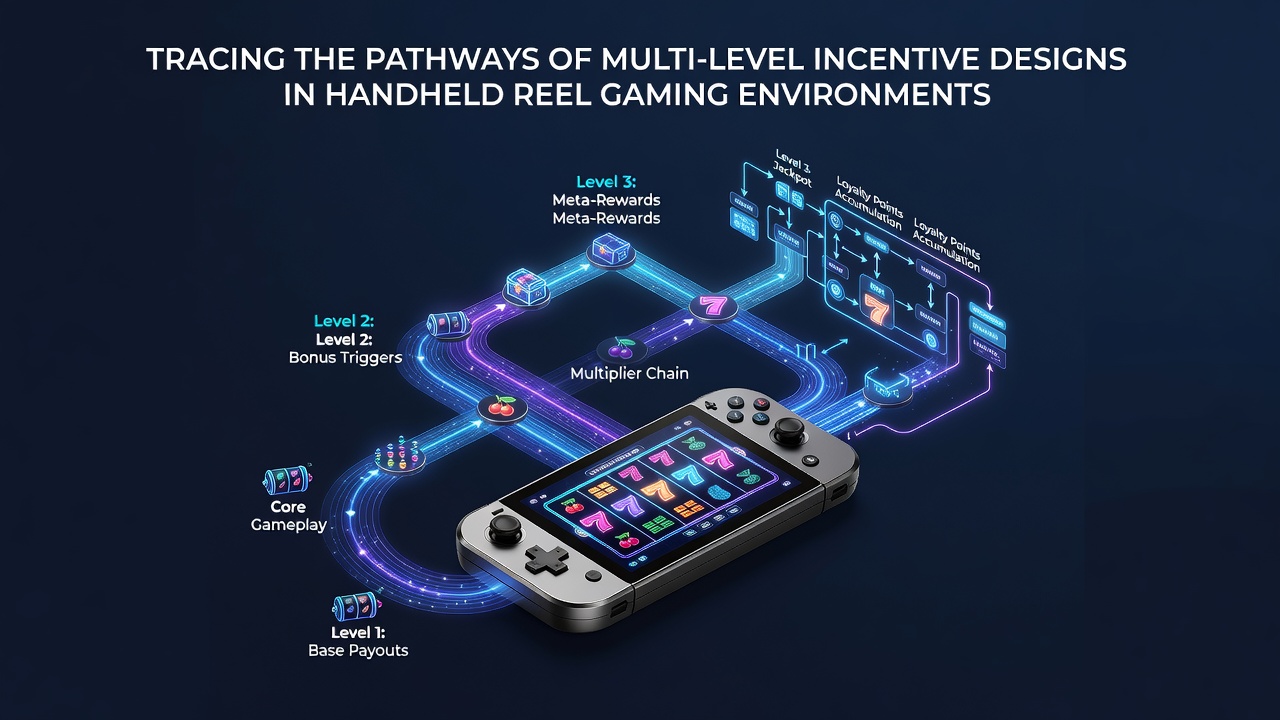
Tracing the Pathways of Multi-Level Incentive Designs in Handheld Reel Gaming Environments
Handheld reel gaming environments rely on structured pathways that guide players through successive layers of incentives, each one building on prior actions to sustain engagement across sessions. These designs operate through sequenced mechanisms that reward incremental progress, such as initial login streaks leading to mid-tier unlocks and eventual high-value redemptions, all optimized for touch-screen navigation and short play intervals typical of mobile use.
Developers trace these pathways by mapping player data flows from basic entry points like free daily spins into advanced branches involving multiplier ladders and community challenges. Research from the University of Nevada, Las Vegas Center for Gaming Research indicates that such layered systems emerged prominently after 2018 as app-based platforms adapted console-style progression trees to portable formats, allowing seamless transitions between casual spins and committed advancement tracks.
Core structures often begin with entry-level triggers that require minimal commitment, then channel activity toward secondary objectives where rewards scale according to accumulated metrics like total spins or session duration. Observers note that this creates visible routes on-screen, with progress indicators updating in real time to signal proximity to the next tier, which in turn activates fresh incentive branches without interrupting the reel cycle.
Structural Mapping of Incentive Layers
Multi-level designs in these environments follow predictable sequences where primary incentives funnel into secondary and tertiary stages, each calibrated to handheld constraints such as battery efficiency and data usage. For instance, a basic completion reward might unlock access to a resource pool that supports further challenges, while parallel paths allow players to select between competitive leaderboards or solo accumulation modes based on preference data collected at onboarding.
Analysts from the Canadian Gaming Association have documented how these pathways incorporate conditional branching, where outcomes from one layer determine eligibility for specialized tracks like time-limited events or cross-game integrations. Data collected through June 2026 shows increased adoption of dynamic routing algorithms that adjust pathway difficulty according to individual play patterns, ensuring that mobile sessions maintain momentum even during fragmented usage periods common among handheld users.
Technical Implementation in Mobile Frameworks
Backend systems supporting these incentives utilize event-driven architectures that log actions across layers and recalculate eligibility thresholds instantaneously. This approach permits handheld applications to deliver personalized pathway adjustments without requiring full app reloads, preserving the fluid interaction expected on portable devices.
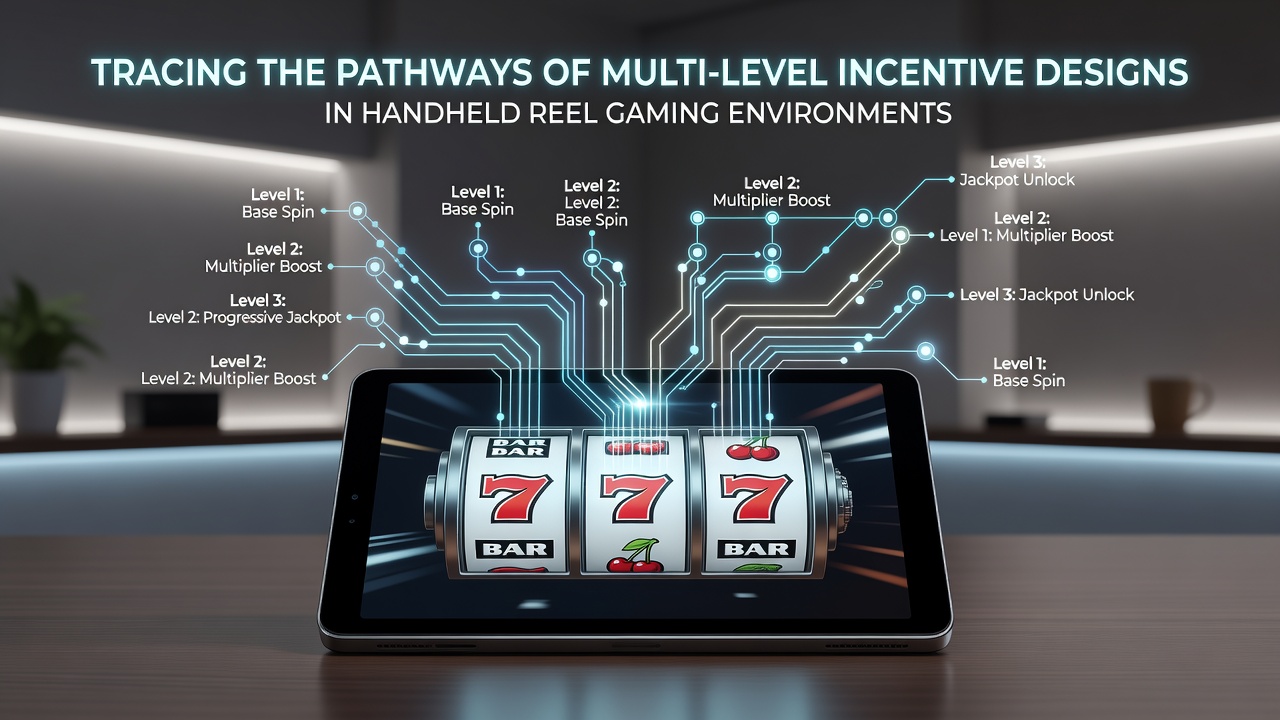
Integration with device-native features such as push notifications and haptic feedback further reinforces pathway progression by providing immediate sensory cues when milestones are reached. Studies published in the Journal of Gambling Studies highlight that platforms employing these technical elements report higher retention rates across multi-session play, particularly when pathways span several days rather than concluding within single sittings.
Geographic variations appear in how pathways accommodate regulatory environments outside the UK, with Australian operators adapting similar structures under oversight from state-level bodies like the New South Wales Independent Liquor and Gaming Authority. These adaptations emphasize transparent disclosure of progression requirements while maintaining the layered incentive flow that encourages continued exploration within the app ecosystem.
Observed Patterns in Player Navigation
Those who have examined usage logs across multiple handheld platforms find that players frequently follow the most direct visible routes first before branching into optional side paths that offer supplementary benefits. This behavior aligns with design choices that prioritize clarity in interface elements, allowing users to trace their advancement without consulting external guides or menus.
Industry reports from the European Gaming and Betting Association note steady growth in cross-platform pathway continuity, where progress initiated on mobile carries forward to linked desktop sessions and vice versa. Such continuity extends the effective lifespan of individual incentive layers and supports sustained participation patterns documented through mid-2026 analytics.
Additional layers sometimes incorporate social components that activate only after personal milestones are achieved, creating hybrid routes that blend individual advancement with group-based rewards. These elements expand the overall map of available incentives while keeping core mechanics accessible to new entrants who begin at the foundational tier.
Conclusion
Pathway tracing in multi-level handheld reel incentives reveals consistent architectural principles that prioritize sequential accessibility and adaptive scaling. As platforms refine these systems through ongoing data analysis, the structures continue to evolve in response to both technological capabilities and player navigation preferences observed across diverse markets.