
UK Gambling Sector Braces for 2026 Shake-Up: Remote Gaming Duty Jumps to 40%, New Checks and Promo Caps Reshape Online Slots Landscape
The Big Tax Hike Hits: Remote Gaming Duty Doubles from April 2026
Starting April 1, 2026, the UK government rolls out a near-doubling of the Remote Gaming Duty (RGD) on online slots and casino games, pushing the rate from 21% to 40%; this move, detailed in official announcements, targets generating over £1 billion in annual revenue, yet operators face tough choices like trimming return-to-player (RTP) percentages or risking player shifts to unregulated offshore platforms. Data from industry reports highlights how such tax pressures have historically squeezed margins in regulated markets, where gross gambling yield (GGY) must absorb the hit without alienating customers who chase those key RTP figures hovering around 95% for popular slots.
What's interesting here is the timing; with March 2026 already seeing operators tweak strategies in anticipation, the Treasury's calculations project this £1 billion boost flowing directly into public coffers, although figures from High Stakes DB warn of unintended consequences like diminished domestic competition. Operators, scrambling to adapt, often explore RTP adjustments—downward tweaks of even 1-2% can preserve profitability—but players attuned to payout stats might balk, prompting some to eye less scrupulous sites beyond UK jurisdiction.
And while the policy paper behind this change emphasizes fiscal responsibility amid rising gambling participation rates, the reality is that online slots alone accounted for substantial GGY in recent quarters, making them prime targets for revenue grabs; take Q3 2025/26 data, where slots hit record highs despite stake limits, now facing this amplified duty that could reshape operator balance sheets overnight.
Financial Risk Checks Get Smarter: UKGC Pilot Delivers Frictionless Results
The UK Gambling Commission steps up with refined financial risk checks, building on a pilot that processed 1.7 million accounts at a £150 net deposit threshold and achieved 97% frictionless verifications; these tools, designed to flag vulnerability without halting play, integrate seamlessly into operator platforms, allowing most users to proceed while intervening only where data flags high-risk patterns like rapid deposits exceeding affordability norms.
Turns out this pilot's success—97% smooth sails through checks—stems from advanced algorithms cross-referencing bank data and spending histories, a far cry from clunky manual reviews that once bogged down the process; experts who've analyzed similar systems note how such thresholds (£150 in this case) strike a balance, catching issues early without alienating casual players who deposit modestly for a session on slots like those with progressive jackpots.
But here's the thing: as full rollout approaches in 2026, operators must embed these checks site-wide, potentially slowing deposit flows during peak hours unless tech upgrades keep pace; one case from the pilot revealed how 3% of accounts triggered deeper scrutiny, uncovering patterns linked to problem gambling, which the Commission hails as a win for player protection even as market players brace for added compliance costs.
Promo Rules Tighten: Wagering Caps and Bans Reshape Bonus Offers
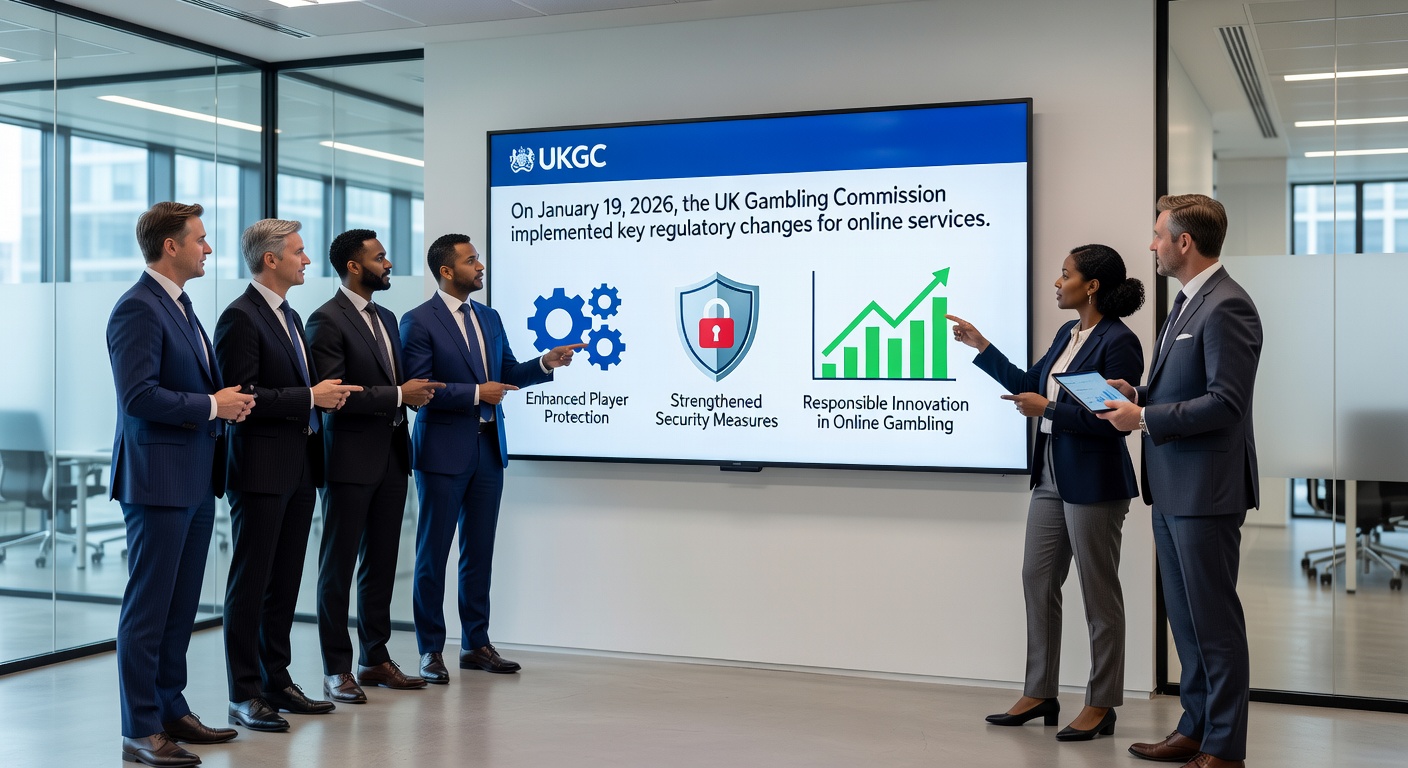
Effective January 19, 2026—right around the corner from March's current buzz—new promotional rules cap bonus wagering requirements at 10x the deposit or bonus amount and outright prohibit mixed-product promotions blending slots with sports betting or casino tables; these changes, enforced by the Gambling Commission, aim to simplify offers while curbing aggressive marketing that lured players into prolonged play cycles.
People in the industry often point out how pre-2026 bonuses with 30x or 50x wagering kept funds locked in slots for weeks, but now at 10x max, players clear requirements faster—say, turning a £50 bonus into withdrawable cash after £500 in bets on qualifying games—although the no-mixing rule kills hybrid deals that once boosted cross-product engagement. Data indicates this contributes to broader market contraction, with early 2026 projections showing promo spend dropping as operators pivot to straightforward deposit matches or free spins tied solely to slots.
So operators adapt by stacking value elsewhere, like enhanced cashback or loyalty tiers, yet the writing's on the wall for flashy multisport bonuses that drove traffic; one observer noted a trial run where compliant 10x offers retained 85% of players versus higher-wager predecessors, suggesting retention holds steady if marketed right, although total promo budgets face trimming amid RGD pressures.
Interconnected Impacts: How Taxes, Checks, and Rules Fuel Market Shifts
These changes don't operate in silos; the 40% RGD compounds with frictionless checks and promo limits, potentially squeezing online slots GGY that already navigated stake caps successfully in late 2025, where wagers hit £25.7 billion despite restrictions. Researchers tracking the sector observe how elevated duties historically prompt RTP dips—operators like those running top slots networks have trimmed payouts by 0.5-1.5% in past tax hikes—while offshore allure grows for players seeking unrestricted play, although UK licenses offer safeguards absent elsewhere.
Now, with financial checks at £150 thresholds proving 97% efficient across 1.7 million accounts, the Commission reports reduced intervention needs, but operators shoulder integration costs estimated in millions; add promo caps limiting creativity—no more slots-plus-football bundles—and market contraction looms, with High Stakes DB forecasting 5-10% GGY dips in slots by mid-2026 unless offshore migration offsets it. Yet those who've studied patterns know regulated sites retain trust, pulling back wanderers via compliant perks.
It's noteworthy that March 2026 chatter among players and pros centers on these synergies; one forum thread captured operators previewing 10x bonuses for slots like Wheel of Happiness knockoffs, blending compliance with appeal, while tax modeling shows £1 billion government gains hinging on sustained domestic volume. And although offshore sites beckon with lax rules, data from prior shifts reveals most high-spenders (over 70%) stick to licensed operators for RTP transparency and quick payouts.
Operator Strategies and Player Realities in the New Era
Operators gear up with tech overhauls for checks and promo redesigns, often piloting RTP-stable slots amid tax hikes; take one network that stress-tested 96% RTP games under simulated 40% duties, maintaining viability through volume bets rather than high-stakes spins capped at £5 since 2024. Players, facing frictionless verifications, deposit confidently up to £150 nets, but those exceeding trigger reviews that—per pilot stats—resolve in under 24 hours 90% of the time.
But the rubber meets the road with bonuses; 10x wagering means a £100 deposit unlocks £100 bonus cleared after £2,000 in slots action, a quicker path than old 30x norms, although no-mixing curbs sportsbook crossovers that once amplified weekends. Experts have observed similar EU markets where caps boosted responsible play metrics by 15%, hinting at UK parallels even as GGY adjusts.
So as April 1 nears, the landscape tilts toward sustainability; offshore risks persist for the adventurous, yet licensed sites counter with refined tools, keeping the £1 billion revenue dream alive while checks and rules foster safer spins.
Conclusion
The 2026 trifecta—40% RGD from April 1, refined £150-threshold checks hitting 97% frictionless rates, and January 19 promo caps at 10x wagering without mixes—heralds a recalibrated UK online gambling scene, targeting £1 billion in duties while operators navigate RTP tweaks and market contractions noted by UK Gambling Commission data. Players encounter streamlined protections and bonuses, potentially curbing offshore drifts as regulated perks evolve; those tracking the beat see a sector tougher yet more accountable, with March 2026 previews underscoring the shift's immediacy.