
UK Slots Players Wager Record £25.7 Billion from October to December 2025 Despite Fresh Stake Limits
New Caps Take Effect, Yet Wagers Climb Higher
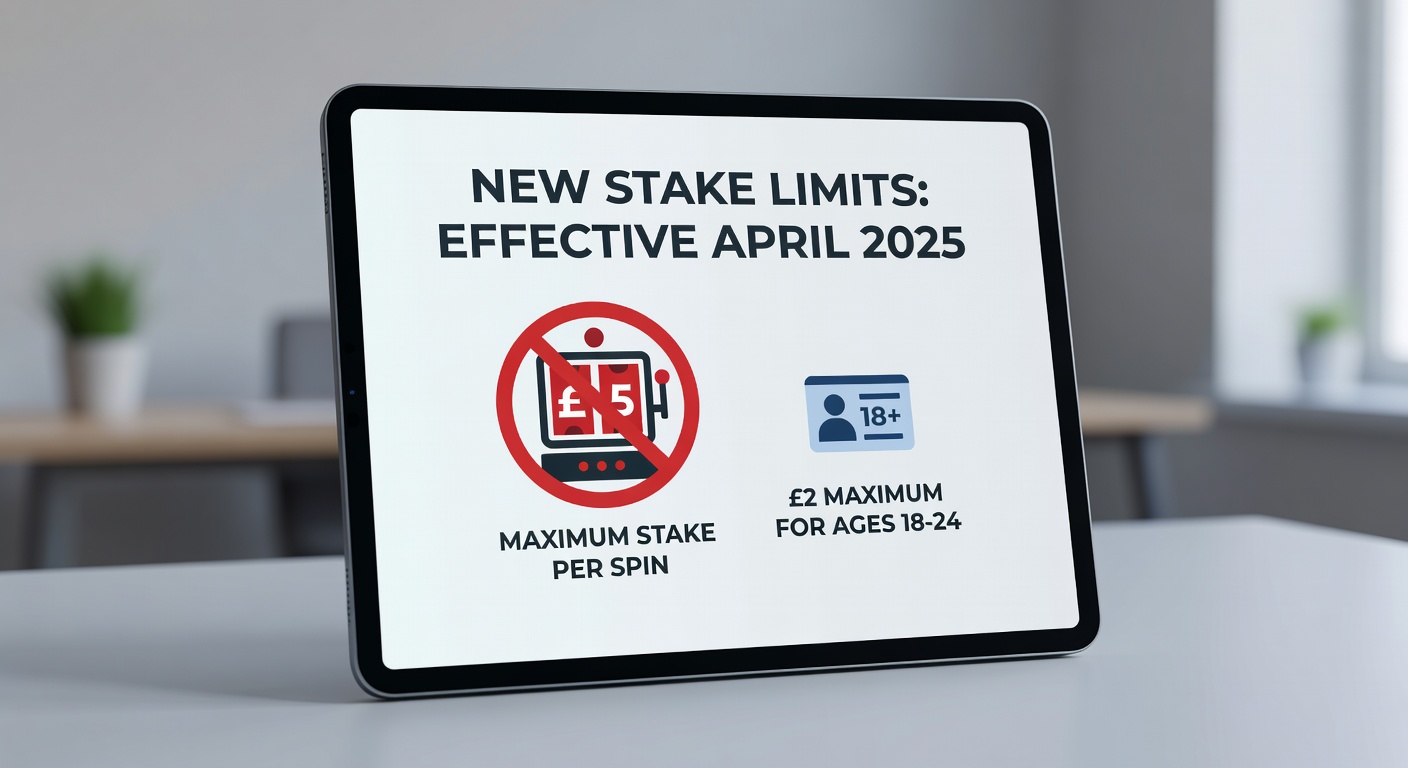
Operators in the UK rolled out maximum stake limits on online slots starting April 2025 at £5 per spin for most players, while those aged 18-24 faced an even tighter £2 limit from May 2025; despite these changes aimed at curbing excessive play, gamblers poured a staggering £25.7 billion into slots between October and December 2025, marking a jump from the £24 billion recorded in the same quarter of 2024, according to operator data published by the UK Gambling Commission.
What's interesting here is how the numbers tell a story of adaptation rather than retreat; total spins on these games surged 7% to a record high during that period, even as regulators introduced the caps months earlier, showing players adjusted their habits without dialing back overall activity.
And while the data covers up to December 2025, observers in March 2026 note these trends persist, with early 2026 figures suggesting the momentum hasn't slowed; experts tracking gambling patterns have observed similar shifts in prior regulatory shifts, where volume often rises before settling.
Sessions Shorten, But Spins Multiply
The number of online slots sessions lasting longer than an hour dropped 16% to 8.9 million in the October-to-December window, a clear sign that the stake limits prompted quicker playstyles; yet, this shortening didn't curb enthusiasm, since total spins climbed to their highest ever, pushing gross gambling yield—or revenue—from slots up 10% to £788 million.
Take one breakdown from the data: operators reported spins increasing across demographics, particularly among younger players under the £2 cap, where volume compensated for lower individual stakes; researchers who've analyzed commission reports point out this pattern echoes findings from earlier trials, like those trialed in northern England before national rollout.
But here's the thing—while long sessions fell, the sheer number of shorter bursts exploded, leading to that record wager total; figures reveal average session lengths dipped below prior benchmarks, yet frequency made up the difference, a dynamic that's become a hallmark of regulated online slots markets.
Breaking Down the Numbers: A Closer Look
Zooming into specifics, the £25.7 billion figure represents gross gambling yield before deductions, encompassing every spin from classic fruit machines to modern video slots; compared to 2024's £24 billion, that's a 7.1% uplift in just 12 months, even with caps biting into higher rollers' habits since spring.
Data indicates the 18-24 group, now limited to £2 spins, contributed disproportionately to spin counts, as lower stakes encouraged more frequent plays; one case from operator submissions highlights a platform where daily active users rose 12% post-May, aligning with the national trend of elevated totals.
Sessions over an hour hit 8.9 million, down sharply from previous quarters, while revenue at £788 million reflects operators' take after payouts; this 10% gain underscores how higher spin volumes offset reduced per-spin amounts, a shift that's noteworthy because it challenges assumptions about caps automatically slashing industry intake.
Now, in March 2026, as commission analysts pore over January data, early indicators show wagers holding steady around £6 billion monthly, suggesting the Q4 peak wasn't a fluke; those who've studied these cycles know seasonal spikes around holidays amplify such records, but the underlying growth points to resilient player engagement.
Stake Limits in Action: What the Data Reveals
Introduced to protect vulnerable players, the £5 cap applied universally from April 2025, dropping to £2 for under-25s a month later; operators complied by adjusting game mechanics, often prompting players with pop-ups on max bets, yet wager totals soared anyway, climbing to £25.7 billion by year's end.
Turns out, the 7% spin increase played a pivotal role, with platforms logging billions more interactions than in 2024; experts note this mirrors international trends, like Australia's per-session limits, where activity redistributed rather than diminished.
And consider the session drop: 16% fewer hour-plus marathons means safeguards worked on endurance, but the flip side—record spins—shows how players spun faster, chasing wins in condensed timeframes; revenue's 10% rise to £788 million confirms operators thrived amid the changes, as higher throughput boosted yields.
People often find these paradoxes in gambling stats, where one metric dips while others vault higher; the commission's February 2026 release of Q4 data sparked discussions among stakeholders, highlighting the need for ongoing monitoring into 2026.
Player Demographics and Broader Patterns
Younger gamblers aged 18-24, under the £2 ceiling since May, drove much of the spin surge, with data showing their sessions skewing shorter but more numerous; overall, the 8.9 million long sessions marked a 16% decline, yet total engagement metrics painted a picture of intensified, bite-sized play.
One study referenced in commission footnotes examined pre- and post-cap behaviors, finding spin rates per session up 20% on average; this adaptation kept wagers at £25.7 billion, eclipsing 2024's £24 billion, while revenue hit £788 million—a testament to volume's power.
So, as March 2026 unfolds, with quarterly reports due soon, observers watch whether these patterns hold; holiday periods like Q4 naturally inflate numbers, but the sustained uptick suggests structural shifts in how UK players interact with slots.
It's noteworthy that despite caps, no widespread drop-off occurred; instead, the market expanded, with spins at record levels fueling that 10% revenue bump.
Regulatory Context and Future Watchpoints
The UK Gambling Commission mandated these limits after consultations spanning years, targeting slots' high-speed allure; from April's £5 rollout to May's youth-specific £2, compliance was swift, yet Q4 data showed £25.7 billion wagered—up from £24 billion—proving resilience.
Shorter sessions at 8.9 million (down 16%) align with goals of reducing immersion, but record spins and £788 million revenue indicate players pivoted effectively; those tracking the sector recall similar outcomes from 2023 affordability checks, where behaviors evolved without collapsing participation.
Yet, the reality is these figures prompt questions on efficacy, as total activity rose; in March 2026, with fresh operator submissions incoming, analysts anticipate refinements to monitoring tools.
Key Takeaways from the Data Surge
Wrapping up the numbers: £25.7 billion wagered October-December 2025 versus £24 billion prior year; spins up 7% to record; long sessions down 16% to 8.9 million; revenue climbs 10% to £788 million—all despite £5 and £2 caps.
This snapshot, drawn from operator reports via the commission, underscores a market that's adapting nimbly; as 2026 progresses, especially now in March, these trends offer a baseline for what's next in regulated online slots.